
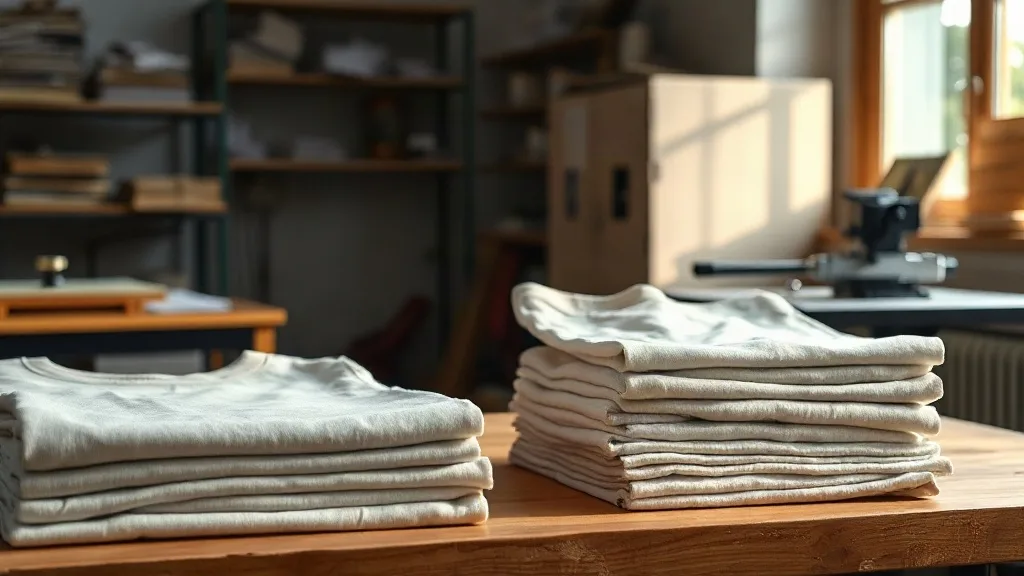
Walk into any print shop that takes its craft seriously and you will notice the same names stacked on the shelves. Among them, shaka wear has quietly built a reputation as a blank that behaves well under a screen press and still feels right on the body. Whether you are printing a small run for a local event or restocking a retail line, understanding what this brand actually delivers saves you time, money, and a lot of ruined test prints.
This guide skips the marketing language and focuses on the details that matter: how the fabric handles ink, how the cuts fit real bodies, and where these blanks sit next to alternatives like smart blanks. If you have ever pulled a shirt off the press only to find the collar warped or the fit boxy in all the wrong places, the points below will sound familiar.
What Makes Shaka Wear Stand Out Among Blanks
Blanks are not glamorous, but they are the foundation of every printed garment. A blank that twists after washing or takes ink unevenly turns a good design into a complaint. Shaka Wear built its catalog around heavyweight cotton and cotton-blend tees, hoodies, and tanks that hold their shape through repeated wear. The fabric tends to run denser than budget blanks, which matters for two reasons: it resists the see-through problem common in thin white tees, and it gives screen printers a stable surface.
Another detail worth noting is consistency. When you order a case of blanks, you want the same hand-feel and measurements from the first shirt to the last. Shaka Wear pieces generally arrive with predictable sizing across colorways, which reduces the guesswork when you are planning a bulk order. That reliability is the reason many shops keep a standing stock rather than ordering per project.
Fabric Weight and Hand-Feel
Most Shaka Wear tees fall into a mid-to-heavyweight range. Heavier cotton drapes with more structure, so a printed shirt looks intentional rather than flimsy. The trade-off is breathability in hot weather, though ring-spun cotton blends soften after a few washes and settle into a comfortable middle ground. For hoodies and fleece, the brand leans into dense loops that hold embroidery well and do not pill quickly.
Fit and Sizing Realities
Sizing on blanks can be a trap. Some brands run a full size small, others cut generously through the chest but short in the body. Shaka Wear tends to follow a standard retail fit with a slightly relaxed shoulder and a body length that works untucked. That said, always request a sample in the exact colorway you plan to order, because dye lots and fabric blends can shift measurements by a fraction of an inch, which adds up across a large run.
How Shaka Wear Performs on the Press
Printers care about surface texture, shrinkage, and how the fabric reacts to heat. Heavier cotton holds plastisol and water-based inks cleanly, and the tight knit reduces the chance of fibrillation, where fibers poke through the ink and dull the design over time. In practice, that means crisper edges on detailed artwork and fewer reprints.
Heat press settings deserve attention too. Dense cotton needs slightly longer dwell times to cure properly, and pressing too hot can scorch the surface. Run a test shirt before committing a full order, and note the temperature and time that worked. Keeping that record saves you from repeating the experiment on every new batch.
- Pre-wash test shirts to check shrinkage before final measurement.
- Use a lower temperature with longer dwell time on heavyweight cotton.
- Check collar and shoulder seams after pressing, since heat stresses those areas first.
- Store finished pieces flat until they cool to avoid set-in creases.
Embroidery and DTG Considerations
Direct-to-garment printing works best on smooth, tightly woven surfaces, and Shaka Wear tees generally fit that profile. Embroidery is equally friendly because the fabric has enough body to support dense stitching without puckering. On lighter blends, a stabilizer is still wise, especially for logos with fine lettering.
Smart Blanks as a Complementary Option
No single blank fits every project, and that is where smart blanks earn their place. These pieces often focus on value and versatility, with lighter weights suited to warm climates and budget-conscious runs. Pairing the two lines gives you flexibility: heavier Shaka Wear for premium retail drops, lighter blanks for giveaways and staff uniforms.
The key is matching the blank to the use case. A promotional tee that will be worn twice does not need the same fabric as a branded hoodie sold at full price. Thinking in terms of wear cycles and customer expectations keeps your costs sensible without sacrificing quality where it counts.
When to Choose Which
Choose Shaka Wear when structure, durability, and a premium hand-feel matter. Choose lighter alternatives when volume, price, and breathability drive the decision. Many shops stock both and let the client brief decide. That approach also protects your margin on projects where the budget is tight but the deadline is not.
Care Tips That Extend the Life of Printed Blanks
Customers rarely read care labels, so a short note at checkout pays off. Washing inside out in cold water and tumble drying on low preserves both the fabric and the print. High heat is the main enemy of screen-printed graphics, causing cracking and fading faster than anything else.
- Turn garments inside out before washing to reduce abrasion on the print.
- Use cold water and a mild detergent, avoiding bleach and fabric softener.
- Skip the dryer when possible, or use the lowest heat setting.
- Hang dry heavyweight cotton to maintain shape and prevent shrinkage.
For hoodies and fleece, brush the inside gently after washing to keep the loop soft. Storing folded pieces in a dry space also prevents the musty smell that comes from damp closets, which customers notice immediately.
Buying in Bulk Without Regret
Ordering blanks in volume is a balance of price, lead time, and risk. Start with a sample pack across the sizes and colors you need, then measure after one wash. Record those numbers and compare them to the size chart. Small discrepancies caught early save you from a shipment of shirts that fit nobody.
Also confirm inventory depth before promising a delivery date. Popular colors sell out during event season, and a partial shipment can stall an entire job. A quick call to the supplier beats an apologetic email to your client later.
Frequently Asked Questions
Is Shaka Wear good for screen printing?
Yes. The tighter knit and heavier cotton give ink a stable surface, which produces cleaner edges and reduces fibrillation on detailed designs. Test a sample first to dial in your press settings.
Do Shaka Wear shirts shrink after washing?
Most cotton blanks shrink slightly on the first wash, typically in length. Washing cold and drying low keeps shrinkage minimal, and pre-washing sample shirts gives you accurate measurements before a bulk order.
How does Shaka Wear compare to smart blanks?
Shaka Wear leans heavier and more structured, suited to premium retail pieces. Smart blanks often focus on lighter weight and value, which works well for giveaways and warm-weather wear.
What sizes should I stock for a mixed group?
Order a sample across small through extra large and measure after one wash. Most groups cluster around medium and large, so stock those deeper while keeping a few smalls and extended sizes on hand.