
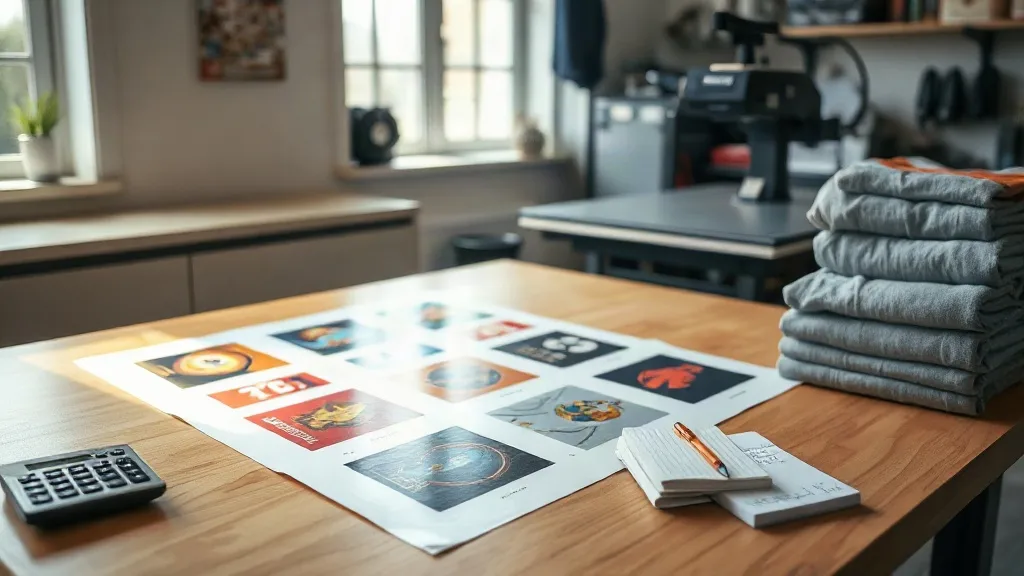
Every print shop owner has felt the sting of a job that looked profitable on the invoice but barely broke even after film, powder, press time, and reprints. The culprit is rarely the design or the customer. It is the way we calculate cost. A DTF Gangsheet changes that math, but only if you understand what it actually does to your cost structure. This guide walks through the real numbers behind gangsheet pricing so you can quote with confidence, not hope.
Why Traditional Pricing Fails on Small Custom Orders
Most shops price a DTF job by counting designs and multiplying by a flat rate. That works when every order is a single large print. It falls apart when a customer wants twelve shirts with three different logos, or a team kit with numbers on the back and a crest on the chest. Suddenly you are running multiple small films, wasting powder on each one, and spending more time loading and unloading the press than actually pressing.
The flat-rate model ignores the two biggest cost drivers in DTF: film area and press cycles. A gangsheet forces you to confront both. When you nest multiple designs onto one sheet, you are not just saving film. You are consolidating press time, reducing powder waste, and cutting the number of times your operator touches the job. That is where the margin lives.
The Real Cost Components of a DTF Gangsheet
Before you can price a gangsheet, you need to know what goes into it. Break the cost into four buckets and track each one separately. Shops that lump everything into a single per-square-inch rate tend to undercharge on complex jobs and overcharge on simple ones, which either erodes profit or loses the quote.
Film and Ink
Film is sold by the sheet or by the roll, and the cost per square inch drops as the sheet gets larger. Ink consumption scales with coverage, not just area. A dense, dark design uses noticeably more ink than a line-art logo of the same size. If you price purely by area, you will lose money on full-color photographic prints and make too much on simple text. Track ink usage across a few jobs and you will quickly see the pattern.
Powder and Curing
Adhesive powder is applied by area, so a gangsheet with tight nesting uses less powder than the same designs printed on separate films. Curing time is largely fixed per sheet, which means a full gangsheet cures more efficiently per design than a half-empty one. This is one of the quiet advantages of gangsheet printing: the fixed costs are spread across more output.
Press Time
Press time is the cost most shops underestimate. Every load, align, press, and peel cycle takes time, and time is labor. A gangsheet lets you press multiple designs in sequence with one setup, but you still pay for each press cycle. The savings come from reduced handling, not from pressing fewer times. Price accordingly: charge for press cycles, not for sheets.
Waste and Reprints
Nesting tightly reduces film waste, but it also increases the risk of a bad cut or a misaligned design taking out a neighbor. Build a small waste allowance into your gangsheet pricing, typically five to ten percent, and review it monthly. Shops that ignore waste tend to discover the problem only when a large order goes sideways.
How to Calculate True Cost Per Shirt
The formula is simpler than it looks. Add film, ink, powder, and a waste allowance to get the material cost of the gangsheet. Divide that by the number of usable designs on the sheet to get material cost per design. Then add press time multiplied by your hourly labor rate, divided by designs per sheet. Finally, add a margin that covers overhead and profit. The result is your floor price, not your final price.
Run this calculation on your last ten jobs and compare it to what you actually charged. Most shop owners find at least two jobs where the margin was thinner than expected, usually because press time was underestimated or waste was ignored. That gap is your opportunity.
Nesting Tactics That Protect Your Margin
Good nesting is not just about fitting more designs on a sheet. It is about fitting the right designs together so that film, powder, and press time all work in your favor. A few practical rules make a measurable difference.
- Group designs by color density. Light and dark designs cure differently, and mixing them can force compromises on press settings.
- Leave consistent gutters between designs. Tight nesting saves film but makes cutting slower and riskier.
- Place larger designs first, then fill gaps with small ones. This reduces awkward empty zones that waste film and powder.
- Keep a standard sheet size for common jobs and reserve custom sizes for large orders. Consistency speeds up quoting and pressing.
- Rotate designs only when the artwork allows it. Rotated text or directional logos can look wrong on the final garment.
Pricing Strategies That Work With Gangsheets
Once you know your true cost, you can choose a pricing model that fits your shop. Three models tend to work well with gangsheet production.
Tiered Pricing by Quantity
Offer lower per-piece prices as quantity increases, but base the tiers on gangsheet yield, not arbitrary thresholds. If a sheet holds twenty designs comfortably, make the twenty-piece tier your best value. Customers understand volume discounts, and you protect margin because the sheet is full.
Design Count Pricing
Charge per design rather than per shirt, with a separate press fee per garment. This model works well for team kits and mixed orders where the number of designs varies. It also makes the gangsheet value visible to the customer, which can justify a slightly higher price than competitors who quote per shirt.
Hybrid Model
Combine a base price per garment with a design setup fee. The base price covers press time and blank handling, while the setup fee covers film and nesting labor. This is often the easiest model to explain and the easiest to defend when a customer asks why a three-color logo costs more than a one-color logo.
Common Pricing Mistakes to Avoid
The most common mistake is quoting from the sheet cost instead of the design cost. A gangsheet looks cheap per square inch, but if only half the sheet is used, the effective cost per design doubles. Always quote from the design count, not the sheet size.
Another mistake is ignoring press time on multi-design jobs. A gangsheet with twenty small designs still requires twenty press cycles. If your quote assumes one cycle, you will lose money on labor. Finally, avoid pricing gangsheets as a loss leader unless you have calculated the exact cost of the traffic it brings. Discounts are fine when they are planned, not when they are discovered after the job ships.
Frequently Asked Questions
How many designs fit on a standard DTF gangsheet?
It depends on design size and sheet dimensions, but a typical 22 by 24 inch sheet holds roughly fifteen to twenty-five small to medium designs when nested well. Large back prints reduce that count significantly, so always nest with the actual artwork before quoting.
Should I charge customers for gangsheet waste?
You should build waste into your internal cost calculation, but you do not need to itemize it on the invoice. A five to ten percent allowance in your pricing covers normal cutting and misalignment losses without confusing the customer.
Is a DTF Gangsheet cheaper than ordering individual transfers?
Usually yes, because film, powder, and curing costs are shared across more designs. The savings are largest on mixed orders with many small designs. On a single large print, the difference is smaller and press time becomes the deciding factor.
How do I price a rush gangsheet order?
Add a rush fee that covers the overtime labor and the disruption to your normal schedule, not just the material cost. A common approach is a fifteen to twenty-five percent surcharge on the total job, applied consistently so customers know what to expect.
Can I use gangsheets for print-on-demand orders?
Yes, but only when you can batch orders. Gangsheets reward volume and consolidation, so they work best when you collect several orders before printing. For true one-off print-on-demand, individual transfers are usually more practical.