
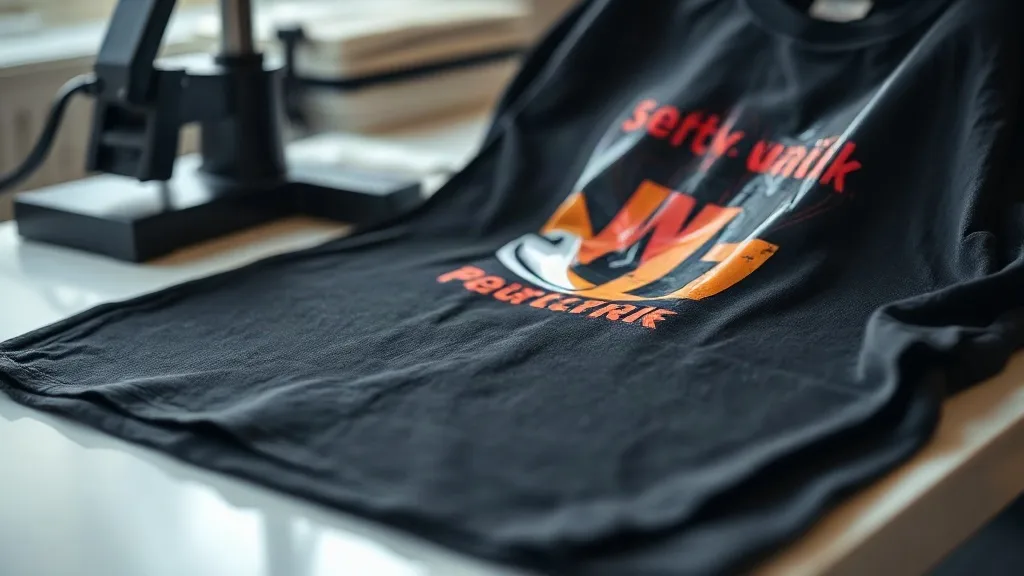
You have probably seen the excitement around dtf transfers lately. The technology has exploded in popularity, and for good reason: it lets you print full-color, highly detailed designs onto a wide range of fabrics without the setup costs of screen printing. But if you are a print shop owner, a brand manager, or someone who just wants their custom apparel to look good after a dozen washes, the real question is not about how easy it is to start. It is about how long the print actually lasts. This guide takes a practical look at durability, the factors that affect it, and the steps you can take to make sure your dtf prints survive the long haul.
Why Durability Matters More Than Ever
Custom apparel is no longer a novelty. It is a core part of how bands sell merch, how companies build team identity, and how streetwear brands drop new collections. When a customer pays premium prices for a printed shirt, they expect the design to stay put. A cracked, faded print after five washes is not just a disappointment; it is a reason to never buy from you again. That is why understanding the durability of dtf transfers is not an academic exercise. It directly affects your reputation and your bottom line.
Fortunately, modern DTF films and powders have come a long way. When applied correctly, a DTF print can match or exceed the wash fastness of screen printing, especially on cotton and cotton blends. But "when applied correctly" is the key phrase. The variables are numerous: the quality of the film, the powder, the press settings, the fabric, and the washing habits of the end user. Let us break them down.
The Anatomy of a DTF Transfer
To understand durability, you need to know what you are working with. A DTF transfer is a multi-layer sandwich. At the bottom is a PET film coated with a release agent. On top of that, a printer lays down water-based pigment inks in reverse order. While the ink is still wet, a thermoplastic polyurethane (TPU) powder is applied. The powder sticks to the wet ink, and the excess is shaken off. The film is then cured in an oven or under heat, melting the powder into a flexible adhesive layer. When you press the transfer onto a shirt, the TPU layer bonds with the fabric fibers, and the ink sits on top, protected by the adhesive.
Each of these layers plays a role in durability. The ink determines color vibrancy and resistance to fading. The TPU powder determines stretchability and adhesion. The film determines how easily the transfer releases. A weak link in any of these can cause premature failure. For example, cheap powder might not fully melt, leading to poor adhesion and cracking. Or an undercured transfer might peel after a few washes. So when you buy dtf transfers, quality is not a place to cut corners.
Ink Quality and Color Fastness
Not all DTF inks are created equal. High-quality pigment inks are formulated to resist fading from UV light and repeated washing. Cheaper inks might look fine initially but can lose vibrancy quickly, especially in lighter colors like pastels or neons. If you are producing merchandise that will be worn outdoors or washed frequently, insist on inks that have been tested for lightfastness and wash fastness. Reputable suppliers often provide data sheets, and it is worth asking for them.
The Role of TPU Powder
The TPU powder is the invisible hero of a DTF transfer. It is what allows the print to stretch with the fabric without cracking. Different powders have different melt points and particle sizes. A finer powder can create a smoother, more flexible adhesive layer, which is ideal for detailed designs and lightweight fabrics. A coarser powder might be more durable for heavy-duty applications but can feel stiffer. The key is to match the powder to the application. For example, if you are printing on performance wear that needs to stretch, a high-elasticity TPU powder is essential.
Fabric Compatibility: Where DTF Shines and Where It Struggles
One of the biggest selling points of DTF is its versatility. Unlike DTG, which requires a pretreatment and works best on 100% cotton, DTF can adhere to cotton, polyester, blends, and even some nylons and leathers. However, durability varies by fabric. Let us look at the common scenarios.
Cotton and Cotton Blends
This is the sweet spot for DTF. The textured surface of cotton gives the TPU powder plenty to grab onto, resulting in excellent adhesion. Prints on 100% cotton and 50/50 blends typically withstand dozens of washes without issue. The key is to ensure the fabric is clean and dry before pressing, and to use enough pressure to embed the adhesive into the fibers.
Polyester and Synthetic Fabrics
Polyester can be trickier. The smooth surface of synthetic fibers offers fewer anchor points for the adhesive. Additionally, polyester can be sensitive to heat, so you need to balance temperature and dwell time to avoid scorching or dye migration. Dye migration is a particular concern with dark polyester: the dyes can sublimate into the DTF ink, causing discoloration. Using a low-bleed DTF film or a barrier layer can help. When pressing on polyester, lower the temperature slightly and increase the pressure to ensure good contact without damaging the fabric.
Specialty Fabrics
DTF can work on nylon, canvas, and even some leathers, but these require testing. Nylon, for instance, can be heat-sensitive and may require a lower temperature and a longer dwell time. Always run a test press on a scrap piece before committing to a full production run.
Press Settings That Make or Break Durability
Even the best dtf transfers will fail if you press them incorrectly. The three pillars of a successful press are temperature, pressure, and time. Here are some guidelines, but keep in mind that every heat press is different, so you should always calibrate with a heat gun or temperature strips.
- Temperature: Most DTF transfers require a press temperature between 300°F and 340°F (150°C to 170°C). Too low, and the powder will not melt enough to bond. Too high, and you risk scorching the fabric or causing the ink to become brittle.
- Pressure: Medium to firm pressure is generally recommended. You want the transfer to make full contact with the fabric without squashing the design. Too little pressure results in poor adhesion; too much can cause the adhesive to bleed out and create a stiff, glossy border.
- Time: Typically 10 to 20 seconds for the initial press, followed by a second press after peeling the film (hot peel or cold peel depending on the film type). The second press ensures the adhesive fully penetrates the fibers.
It is also crucial to pre-press the garment for a few seconds to remove moisture and wrinkles. Moisture is the enemy of adhesion; trapped water can turn to steam during pressing and create bubbles or weak spots.
Peel Timing: Hot vs. Cold
Some DTF films are designed for hot peel, meaning you remove the film immediately after the first press while it is still hot. Others require a cold peel, where you let the transfer cool completely before peeling. Using the wrong method can ruin the transfer. Hot peel films are faster but less forgiving; cold peel films are more forgiving but slower. Always follow the supplier's instructions and test a few samples to find what works best for your setup.
Wash Testing: How to Measure Real Durability
If you want to know how your DTF prints will hold up, you need to wash them. Not just once, but repeatedly, under conditions that mimic real life. A standard wash test involves washing the garment inside out in warm water with a mild detergent, then tumble drying on low heat. Repeat this cycle 10, 20, or even 50 times, checking the print after each cycle for signs of cracking, peeling, or fading.
In our own testing, we have found that a well-applied DTF transfer on 100% cotton can easily survive 50+ washes with minimal change. On polyester, the lifespan might be shorter, especially if the fabric is subjected to high heat in the dryer. The key is to document your results and adjust your process accordingly. If you notice cracking after 20 washes, try increasing the press pressure or dwell time, or switch to a higher-quality powder.
It is also worth noting that the washing habits of the end user matter. A shirt washed in cold water and hung to dry will last far longer than one washed in hot water and tumble dried on high. You cannot control your customers' habits, but you can educate them. Including a simple care card with each order can go a long way.
Common Durability Pitfalls and How to Avoid Them
Even experienced printers run into problems. Here are some of the most common issues and their solutions.
Peeling After Wash
Peeling usually indicates insufficient adhesion. This can be caused by under-pressing (too little pressure, temperature, or time), a dirty fabric surface (oils or fabric softeners), or a mismatch between the transfer and the fabric. To fix it, start by pre-pressing the garment to remove moisture and wrinkles, and ensure you are using the correct settings for the fabric. If peeling persists, try a higher pressure or a longer dwell time.
Cracking
Cracking occurs when the ink layer becomes brittle and breaks apart. This can happen if the transfer is overcured or if the powder is of low quality. It can also happen if the print is stretched beyond its elasticity. Using a high-elasticity powder and avoiding excessive heat can help. Additionally, make sure the design does not have large solid areas of ink without any mesh or halftone; solid blocks are more prone to cracking than detailed patterns.
Fading
Fading is primarily a function of ink quality and exposure to UV light. If you are selling to customers who will wear the shirt outdoors frequently, consider using inks with high lightfastness. Also, advise customers to wash inside out and avoid direct sunlight when drying.
Choosing the Right DTF Supplier
Your supplier is your partner in durability. A cheap roll of film might save you a few dollars, but it can cost you in returns and reputation. Look for suppliers who provide consistent quality, technical support, and clear instructions. Ask about their quality control processes and whether they test their films for wash fastness. Many reputable suppliers offer sample packs so you can test before committing to a large order.
At dtf transfers from trusted sources, you will often find that the slightly higher price per sheet is offset by fewer rejects and happier customers. It is an investment in your brand.
Frequently Asked Questions
How many washes can I expect from a DTF transfer?
With proper application and care, a DTF transfer on cotton can last 50 washes or more. On polyester, expect around 30 to 40 washes. These numbers are estimates and can vary based on washing conditions and fabric type.
Can I wash a DTF-printed shirt in hot water?
It is not recommended. Hot water can weaken the adhesive and cause the print to crack or peel over time. Warm or cold water is safer. Also, turn the garment inside out before washing to reduce abrasion.
Why does my DTF print feel stiff after pressing?
A stiff feel usually indicates too much pressure or an excess of powder. Try reducing the pressure slightly and ensure you are shaking off excess powder thoroughly before curing. Using a finer powder can also help.
Do I need to use a special detergent for DTF-printed shirts?
No special detergent is required, but avoid bleach and fabric softeners, as they can degrade the adhesive. A mild, liquid detergent is best.
Can I iron a DTF-printed shirt?
If you must iron, do it inside out on a low setting and avoid steam. Direct heat on the print can cause it to melt or stick to the iron.
Durability is not an accident; it is the result of good materials, proper technique, and a bit of testing. By paying attention to the details, you can ensure that your dtf transfers deliver the long-lasting quality your customers expect.