
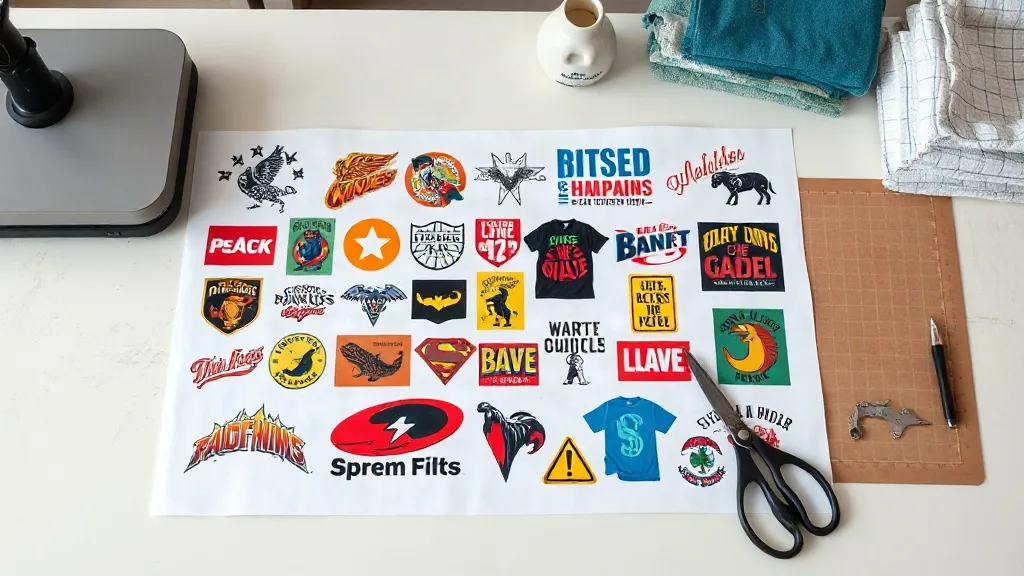
If you run a small apparel shop, you know the math problem: a customer wants ten shirts with five different designs, and you need to keep costs low without sacrificing quality. Ordering separate transfer sheets for each design feels wasteful, and the per-unit price climbs fast. That is where a DTF Gangsheet changes the game. By packing multiple designs onto a single sheet, you pay for the film once and use every inch of it. The result is lower material costs, faster turnaround, and a pricing structure that finally makes small batches profitable.
What Exactly Is a DTF Gangsheet?
A DTF Gangsheet is a single transfer film printed with multiple designs arranged efficiently. Instead of printing each graphic on its own sheet, you gang them together, hence the name. The sheet is then powdered with adhesive, cured, and pressed onto garments one design at a time. For shops that handle mixed orders, this approach eliminates the waste of unused film and reduces the number of setups.
The concept is simple, but the execution matters. You need to plan the layout so that designs fit tightly without overlapping, and you must account for bleed and cutting space. Once you get the hang of it, a gangsheet becomes your go-to method for everything from sample packs to bulk orders with varied artwork.
Why Gangsheets Cut Costs Without Cutting Quality
Traditional DTF printing charges by the sheet, regardless of how much empty space is on it. If you order five separate sheets for five small logos, you pay for five sheets but use maybe half the film. A gangsheet flips that equation: you pay for one sheet and fill it with as many designs as fit. The savings on film and ink are immediate, and you can pass those savings to your customers or keep them as margin.
But cost is only part of the story. Gangsheets also reduce labor. Instead of loading and unloading the printer multiple times, you print one sheet, cure it once, and then cut out the individual designs. For a shop that runs frequent small orders, that time savings adds up to hours each week.
The Math Behind the Savings
Let us say you need to produce 20 shirts with four different designs, five shirts each. If each design requires a separate sheet, you order four sheets. With a gangsheet, you can fit all four designs onto one sheet, provided the sizes allow. That is a 75% reduction in film usage. Even if you factor in the time to nest the designs, the cost per unit drops significantly. For a more detailed breakdown of gangsheet pricing, you can refer to resources like the DTF Gangsheet guide, but the principle is straightforward: fill the sheet, cut the cost.
How to Plan a Gangsheet Layout That Works
Creating an efficient gangsheet is a bit like solving a puzzle. You want to minimize empty space while keeping designs accessible for cutting. Start by grouping designs by size and shape. Rectangular logos can be nested closely, while irregular shapes may require more spacing. Always leave a small gap between designs, usually a quarter inch, to allow for clean cuts and to prevent color bleeding during pressing.
Consider the garment sizes you are printing. If you have designs for youth and adult sizes, you can often fit more small designs around larger ones. Use design software to arrange everything before printing; most RIP software includes nesting tools that automatically optimize placement. And do not forget to include a cut line or registration marks if your cutter uses them.
Common Layout Mistakes to Avoid
- Placing designs too close to the edge, which can cause lifting during curing.
- Forgetting to mirror the artwork if required by your printer setup.
- Mixing designs with different color profiles on one sheet, which can affect color accuracy.
- Overcrowding the sheet, leaving no room for cutting tolerances.
These mistakes can lead to wasted film or poor transfer quality, so double-check your layout before hitting print.
Pricing Your Products with Gangsheets in Mind
One of the biggest advantages of gangsheets is the ability to price small batches competitively. When you know the exact cost per design, you can set prices that cover materials, labor, and profit without guessing. Start by calculating the cost of the sheet, including film, ink, and powder, then divide by the number of designs on that sheet. Add your labor and overhead, and you have a baseline cost per transfer.
For example, if a gangsheet costs $6 to produce and holds 12 designs, each transfer costs $0.50 in materials. Add $0.75 for labor and overhead, and your cost per transfer is $1.25. You can then price a shirt with that transfer at a competitive rate while maintaining a healthy margin. This transparency also helps when customers ask for quotes on mixed orders.
Scaling from Small Batches to Bulk
As your order volume grows, gangsheets become even more valuable. You can dedicate entire sheets to a single large order or combine multiple customer orders onto one sheet to maximize efficiency. Some shops run daily gangsheets that include all pending small orders, treating the sheet as a daily production batch. This approach streamlines workflow and ensures that no film goes to waste.
Choosing the Right Supplies for Gangsheet Printing
Not all DTF films are created equal. For gangsheets, you want a film that releases cleanly and holds fine details. A quality film will prevent ink spreading and make cutting easier. Similarly, the powder you use should be fine and consistent; coarse powder can create a textured feel that may not suit all fabrics. Test different brands to find the combination that works best for your printer and typical designs.
Also consider the adhesive. Some powders are formulated for better stretchability, which is important if you are printing on performance wear. For standard cotton and blends, a general-purpose powder works fine. Always follow the manufacturer's curing instructions to ensure durability.
DTF Gangsheets for Custom Patches and More
While gangsheets are popular for apparel, they are equally useful for custom patches. You can print multiple patch designs on one sheet, then cut them out and apply them to hats, jackets, or bags. This is especially handy for small runs of embroidered-look patches or for adding a printed patch to a garment that already has other decorations. The same cost-saving logic applies: fill the sheet with as many patch designs as possible.
Beyond patches, gangsheets work well for tote bags, aprons, and even banners. Any project that requires multiple small transfers can benefit from gangsheet printing. The key is to think in terms of sheet utilization: the more you fill, the less you pay per unit.
Frequently Asked Questions About DTF Gangsheets
How many designs can I fit on a DTF gangsheet?
It depends on the size of your designs and the size of the sheet. A standard 13x19 inch sheet can hold dozens of small logos, while larger designs may limit you to a few. Use nesting software to maximize placement.
Can I mix different fabrics on one gangsheet?
Yes, the gangsheet itself is just a transfer. You can press different designs onto different fabrics, as long as you adjust your pressing settings for each garment. The sheet does not limit the fabric type.
Do gangsheets work with any DTF printer?
Most DTF printers can handle gangsheets, but you need to ensure your printer's maximum sheet size. Some printers have a fixed width, so plan your layout accordingly.
How do I cut a gangsheet without damaging the designs?
Use a sharp rotary cutter or scissors and cut along the gaps you left between designs. A cutting mat and a steady hand help. For intricate shapes, a vinyl cutter with a registration mark can automate the process.
Are gangsheets more cost-effective for large orders?
For large orders of a single design, individual sheets might be simpler. But for mixed orders or small batches, gangsheets almost always save money by reducing waste.