
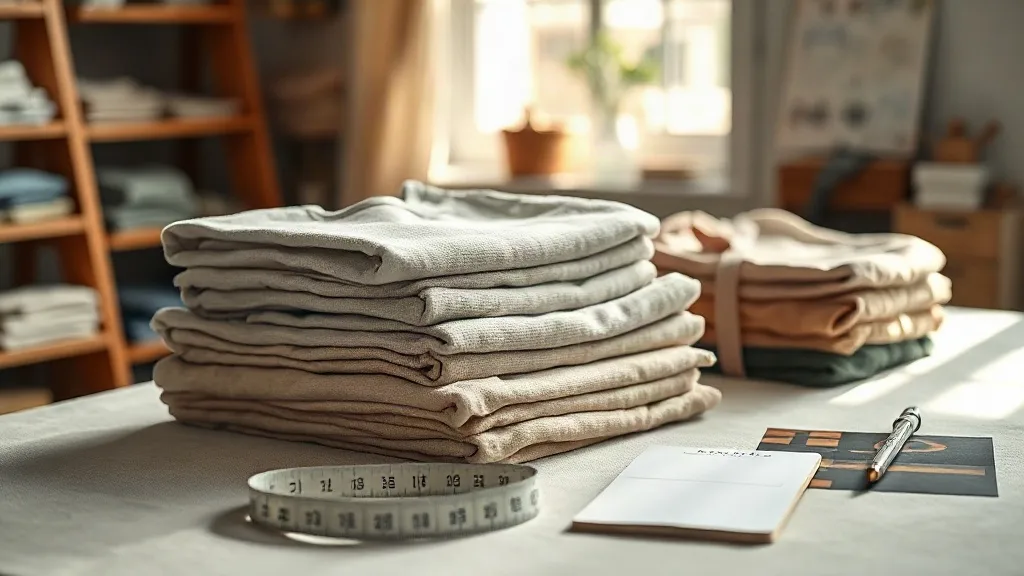
The first time a client returns a box of printed tees because half the crew says they fit like a tent, you learn fast that blank selection is only half the battle. Fit is the other half, and it is the part most buyers underestimate. Shaka Wear has built a solid reputation among decorators for consistent heavyweight construction, but consistency in manufacturing does not automatically translate into a perfect fit for every end wearer. Understanding how these garments actually behave on a body, after a wash, and under a screen-printed design is what separates a smooth order from a headache.
This guide comes from the shop floor, not a spec sheet. It covers what to expect when you open a shaka wear poly bag, how the tees measure up against common expectations, and where the fit differences between styles can trip up a bulk order.
Why Fit Deserves Its Own Conversation
Most blank discussions revolve around fabric weight, color consistency, or price per unit. Those matter, but fit is the variable that customers actually feel. A 6.5 oz tee that fits beautifully gets worn weekly. A 6.5 oz tee that rides up or bunches at the shoulders ends up as a rag within a month, and the client remembers that experience, not the fabric weight.
When a brand orders custom apparel, they are usually buying for a group: a team, a crew, an event, a staff. Groups have bodies of every shape, and a single cut cannot flatter everyone equally. Your job as a decorator or buyer is to know where a blank runs true, where it runs generous, and where it runs short, so you can guide the client toward the right size distribution before the order is placed.
The Difference Between Spec Measurements and Wearing Fit
A size chart tells you chest width and body length when the garment is lying flat on a table. It does not tell you how the shoulder seam sits on an actual human, how the sleeve length feels on a shorter frame, or how the hem behaves after five washes. Those are the details that decide whether a tee gets worn or returns to the drawer. Treat the spec sheet as a starting point and treat real-world feedback as the final word.
How Shaka Wear Tees Typically Measure Up
In practice, Shaka Wear tees are cut with a roomier body than many fashion-leaning blanks. The chest tends to run a touch wider than comparable sizes in slimmer brands, and the body length is generous enough that taller wearers do not end up with a midriff-baring hem after a wash. For a crew of mixed heights, that extra length is usually welcome.
The sleeves deserve a mention because they are where a lot of buyers get surprised. On the heavier styles, sleeve openings are open enough that they do not grip the bicep, which reads as a relaxed fit rather than a fitted one. If a client wants a modern, tapered look, that is worth flagging before the order goes to press.
Heavier Weight, Different Drape
Weight changes how a garment hangs. A heavier cotton tee stands away from the body slightly more than a lighter one, so the same nominal size can look boxier on a smaller frame. On a larger frame, that structure often works in the garment's favor, holding a clean silhouette instead of clinging. If your client base skews toward athletic builds or prefers an oversized streetwear look, the heavier styles are the natural pick. If the audience wants a trim, close-to-body fit, look at the lighter options or consider sizing guidance that points buyers down.
Shrinkage: What Actually Happens After the First Wash
Cotton shrinks. That is not a manufacturing flaw, it is the nature of the fiber, and it applies to every blank on the market, including premium ones. What matters is how much and in which direction. In my experience with Shaka Wear tees, the body length tightens up modestly after a hot wash and tumble dry, while the chest width changes far less. That is good news for print placement, because length shrinkage is easier to account for than unpredictable width movement.
Two practical habits keep this from becoming a problem:
- Wash and dry one sample shirt from every new style before you commit to a bulk print run, then measure it against the original spec.
- Advise clients to wash cold and hang dry if they want the garment to keep its out-of-the-box length.
A half inch of length loss is invisible to most wearers. An inch and a half is not, especially on taller customers. Testing a sample removes the guesswork.
Print Placement and Fit Interactions
Fit affects where your artwork lands. On a boxier cut, a left chest logo can drift toward the armpit if you use the same placement coordinates you rely on for a slimmer blank. Measure from the center of the collar and from the shoulder seam for each style rather than assuming a universal placement.
Full back prints on heavier tees also behave differently. The fabric has less give, so a large print can feel stiff across the upper back until the first wash softens it. Sizing up the print slightly and keeping it centered on the shoulder blades, rather than starting too high, keeps the design comfortable and readable.
Where Smart Blanks Fit Into the Picture
Buyers often compare options, and smart blanks are a common point of reference for shops that want a value-focused alternative alongside their premium stock. The fit conversation is similar: check the cut, test a sample, and match the garment to the client's audience rather than to a single universal size chart. Keeping a couple of smart blanks styles on hand as a comparison point makes it easier to explain fit differences to a client who is deciding between price tiers.
Building a Size Run That Actually Works
Most group orders fail at the extremes. The middle sizes are easy, but the smallest and largest wearers are where fit complaints originate. A sensible approach is to skew the run toward the middle, then add a couple of extra units at each end of the range so you can swap sizes after the first fitting without a reorder.
For a 50-piece order, a workable starting distribution might look like this:
- Small: 6 units
- Medium: 15 units
- Large: 15 units
- Extra large: 9 units
- Double extra large: 5 units
Adjust based on the group. A high school robotics team and a warehouse crew have very different body distributions, and asking the client for a rough breakdown is far cheaper than eating the cost of exchanges.
Communicating Fit to Your Client
Clients rarely know blank terminology, so translate it into plain language. Instead of saying a tee runs generous, say it fits comfortably on broader shoulders and leaves room through the body. Instead of warning about shrinkage, tell them the shirt will settle into its final length after the first wash. Clear language builds trust, and trusted decorators get the repeat orders.
One habit worth adopting: keep a rack of washed sample tees in the most common sizes, printed with a simple logo. Letting a client try one on before approving a bulk order prevents nearly every fit-related dispute I have seen.
Frequently Asked Questions
Does Shaka Wear run true to size?
For most wearers, yes, though the body is cut roomier than slim-fit fashion brands. If a customer normally wears a medium in a trim tee and wants a closer fit, a small may suit them. If they want a relaxed, streetwear-style drape, their usual size works well.
How much do Shaka Wear tees shrink after washing?
Expect modest length shrinkage after a hot wash and tumble dry, typically under an inch on standard styles, with little change in chest width. Cold washing and hang drying minimizes it. Always test a sample from your specific style before a bulk run.
What print placement works best on a boxier cut?
Measure placement from the collar center and shoulder seam for each style instead of reusing coordinates from a slimmer blank. Keep large back prints centered on the shoulder blades rather than starting high near the collar, which keeps the design comfortable after the first wash.
Should I order extra units for size swaps?
Yes. Add two or three units at each end of your size range so you can accommodate swaps after the client tries the shirts on. It is far cheaper than placing a small reorder and paying a second setup or shipping cost.
How do Shaka Wear and smart blanks compare on fit?
Both lean toward comfortable, wearable cuts, but the heavier Shaka Wear styles drape more structurally while smart blanks options tend to suit buyers prioritizing value. Order a sample of each, wash them, and compare the measurements before deciding which fits your client's audience.