
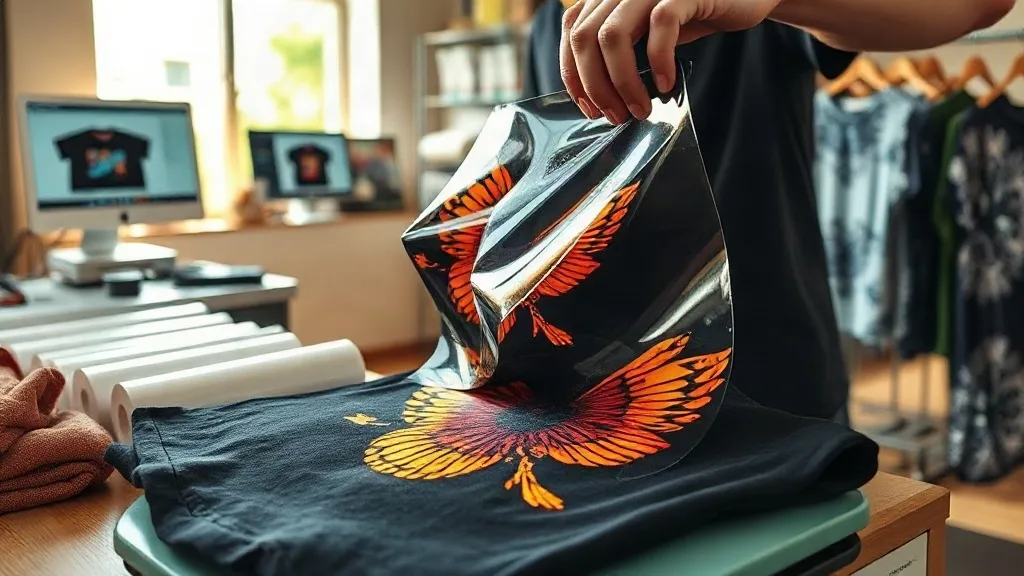
Custom apparel has never been more accessible, thanks to dtf transfers. Whether you're a small business owner looking to add personalized merchandise or a hobbyist wanting to create unique gifts, DTF transfers offer a versatile and cost-effective solution. In this guide, we'll dive deep into the world of DTF transfers, explaining the process, benefits, and how to get started.
What Are DTF Transfers?
DTF stands for Direct to Film. It's a printing technology where designs are printed onto a special film and then transferred onto fabric using heat and pressure. Unlike other methods like screen printing or vinyl, DTF transfers work on a wide range of materials, including cotton, polyester, and blends. The process involves printing a design onto a PET film with a special adhesive powder, which is then cured and later applied to the fabric with a heat press.
The DTF Printing Process
The DTF process begins with a digital printer that lays down CMYK inks onto a film. A white ink layer is often added to ensure opacity on dark fabrics. While the ink is still wet, a hot melt adhesive powder is applied, which sticks to the ink. The film is then heated to cure the powder, creating a transfer ready to be applied. When you're ready, you place the transfer on your garment and press it with a heat press at around 160°C (320°F) for 10-15 seconds. After peeling the film, you're left with a vibrant, durable design.
Why Choose DTF Transfers?
There are several reasons why DTF transfers have become a go-to for many in the custom apparel industry. First, they offer incredible versatility: you can print on almost any fabric, including dark colors, without the need for special pretreatment. Second, DTF transfers are cost-effective for small batches because there's no minimum order quantity and no setup fees like screen printing. Third, the prints are highly durable, resisting cracking, fading, and washing. Finally, DTF allows for high-detail, full-color designs, making it perfect for complex artwork.
DTF Transfers vs. Other Printing Methods
When deciding on a printing method, it's helpful to compare DTF with other popular techniques. Here's a quick breakdown:
- Screen Printing: Great for large orders with simple designs, but expensive for small runs and limited to certain fabrics.
- Vinyl (HTV): Ideal for simple text and shapes, but not suitable for complex, multi-color designs.
- Direct to Garment (DTG): Best for 100% cotton, but requires pretreatment and can be less vibrant on dark colors.
- Sublimation: Only works on polyester and light-colored fabrics; not suitable for cotton.
DTF stands out because it combines the versatility of DTG with the durability of screen printing, all without the limitations of fabric type or color.
How to Apply DTF Transfers
Applying DTF transfers is straightforward with the right equipment. You'll need a heat press (not a home iron, as consistent pressure and temperature are crucial). Here's a step-by-step guide:
- Preheat your heat press to 160°C (320°F).
- Place your garment on the press and pre-press for 5 seconds to remove moisture.
- Position the DTF transfer on the garment with the printed side facing up.
- Press with medium pressure for 10-15 seconds.
- Remove the garment from the press and peel the film while it's still warm (or cold, depending on the film type).
- For best results, press again with a Teflon sheet or parchment paper for another 5 seconds to ensure adhesion.
Always follow the instructions provided with your transfers, as different films may have specific requirements.
Finding Quality DTF Transfers Near Me
If you're looking to incorporate DTF transfers into your projects, you might be wondering where to find reliable suppliers. Searching for dtf transfers near me can lead you to local print shops that offer DTF services. However, many businesses now offer online ordering with fast shipping, which can be more convenient and cost-effective. When choosing a supplier, consider the following factors:
- Print Quality: Look for reviews and sample images to ensure vibrant colors and sharp details.
- Durability: Ask about wash tests and the lifespan of the transfers.
- Turnaround Time: If you're on a deadline, check how quickly they can produce and ship your order.
- Customer Service: A responsive team can help you troubleshoot any issues.
For those who prefer a hands-on approach, purchasing a DTF printer and supplies to create your own transfers is also an option, but it requires a significant investment and learning curve.
The Future of DTF Transfers
As the demand for custom apparel grows, so does the technology behind DTF transfers. We're seeing advancements in eco-friendly inks and films, faster printing speeds, and even more durable outputs. It's an exciting time for the industry, and DTF is poised to become the standard for custom printing due to its flexibility and quality.
Frequently Asked Questions
What fabrics can I use with DTF transfers?
DTF transfers work on a wide range of fabrics, including cotton, polyester, blends, and even some synthetic materials like nylon. They are particularly effective on dark colors because the white ink layer provides a bright base.
How long do DTF transfers last?
When applied correctly, DTF transfers can last as long as the garment itself. They are resistant to cracking, peeling, and fading, even after multiple washes. For best results, wash inside out in cold water and avoid tumble drying on high heat.
Can I use a home iron to apply DTF transfers?
While it's possible, we don't recommend it. A home iron doesn't provide consistent pressure and temperature, which can result in poor adhesion and reduced durability. A heat press is the best tool for professional results.
Where can I buy DTF transfers?
You can purchase DTF transfers from online suppliers, local print shops, or directly from manufacturers. When searching for dtf transfers near me, consider both local and online options to compare quality and pricing.
Is DTF printing eco-friendly?
DTF printing uses water-based inks and produces minimal waste compared to other methods. However, the films and powders are not biodegradable, so proper disposal is important. Some suppliers offer eco-friendly options, so look for those if sustainability is a priority.