
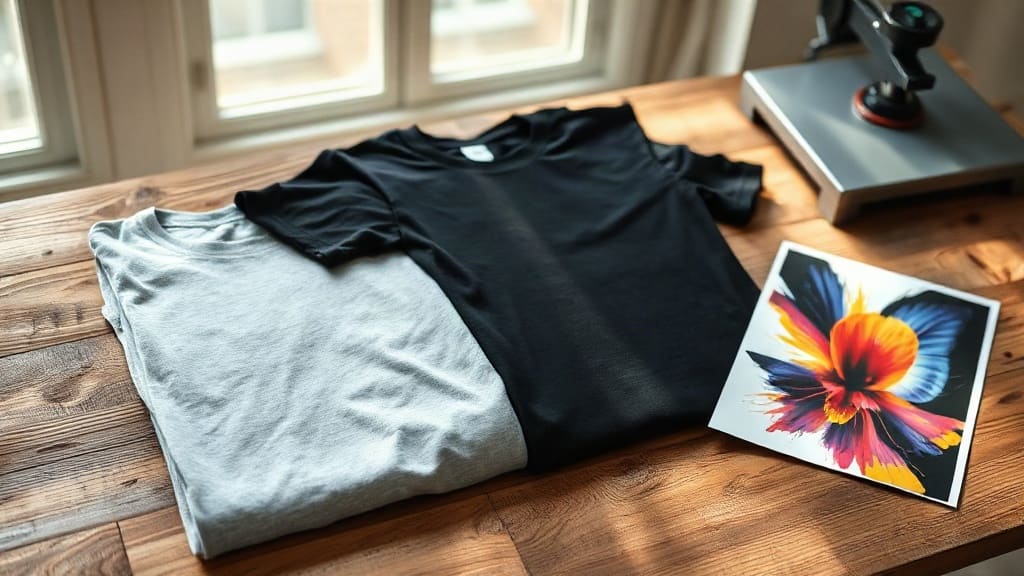
When you're printing custom apparel, the blank you choose can make or break the final product. Two names that frequently come up in printing circles are smart blanks and shaka wear. Both offer quality options, but they cater to different needs, especially when you're working with dtf transfers. I've spent countless hours testing both brands with various printing methods, and I want to share what I've learned so you can make an informed decision for your next project.
Why the Blank Matters for DTF Transfers
DTF, or direct-to-film, transfers have revolutionized custom apparel because they work on a wide range of fabrics, including cotton, polyester, and blends. However, not all blanks are created equal. The fabric content, weave, and finish all influence how well the transfer adheres, how it feels, and how long it lasts. A blank that's too loosely woven might cause the transfer to crack or peel prematurely. A shirt with a heavy dye or finish could interfere with the adhesive. That's why selecting the right blank is just as important as the transfer itself.
In my experience, smart blanks and shaka wear both provide solid foundations for DTF printing, but they have distinct characteristics that suit different applications. Let's break them down.
Smart Blanks: The Budget-Friendly Workhorse
Smart blanks have gained popularity among small business owners and hobbyists for their affordability and consistent quality. These blanks are typically made from 100% cotton or cotton-poly blends, offering a soft hand feel that takes DTF transfers beautifully. The fabric is usually pre-shrunk, which minimizes surprises after the first wash. I've found that smart blanks hold up well to repeated washing when the transfer is applied correctly, making them a reliable choice for everyday wear.
Fabric and Fit
Most smart blanks come in a unisex cut with a modern fit that's neither too boxy nor too slim. The cotton is combed and ring-spun, giving it a smooth surface that allows the DTF transfer to sit flush against the shirt. The neckline is usually ribbed and holds its shape, which is crucial because a stretched-out collar can make even the best print look cheap. Sizes range from XS to 3XL, and they're available in a rainbow of colors, though some specialty shades may be limited.
Performance with DTF Transfers
When I pressed dtf transfers onto smart blanks, the results were impressive for the price point. The transfers adhered evenly, with no bubbling or lifting at the edges. The key is to follow the transfer manufacturer's temperature and pressure guidelines. Because the fabric is relatively smooth, you don't need excessive pressure to get a good bond. However, I did notice that on darker colors, the transfer can feel slightly thicker due to the white underbase, but that's standard for DTF on any dark garment.
One thing to watch out for: smart blanks sometimes have a slight variance in fabric thickness between batches. It's not a deal-breaker, but if you're printing a large order, it's wise to order all blanks at once to ensure consistency.
Shaka Wear: Heavyweight and Streetwear-Ready
Shaka wear has carved out a niche in the streetwear and urban fashion scene. Their blanks are known for being heavier, with a more structured feel that appeals to brands looking for a premium, durable product. If you're printing dtf transfers for a streetwear line, shaka wear is a strong contender. The fabric weight often ranges from 6.0 to 7.5 ounces, compared to the typical 4.5 to 5.5 ounces of standard tees. That extra weight translates to a shirt that drapes well and feels substantial in hand.
Fabric and Fit
Shaka wear tees are usually 100% cotton, though some styles incorporate polyester for a performance feel. The cotton is often carded open-end, which gives it a slightly rougher texture initially but softens after washing. The fit tends to be boxier and longer, which is perfect for the oversized look that's popular right now. The collars are thick and durable, resisting stretching even after repeated wear. Available sizes often go up to 5XL, making them inclusive for a wide range of customers.
Performance with DTF Transfers
Printing dtf transfers on shaka wear requires a bit more attention to detail. The heavier fabric acts as a heat sink, so you may need to increase your press time slightly to ensure the adhesive fully cures. I recommend doing a test press on a scrap piece to dial in your settings. Once applied, the transfers bond extremely well, and the thickness of the shirt helps conceal the transfer's edge, resulting in a smooth, professional finish. The durability is excellent; I've seen shaka wear tees with DTF prints survive dozens of washes with minimal fading or cracking.
However, the heavier weight can be a drawback if you're aiming for a lightweight, breathable shirt for summer. Also, the initial roughness of the fabric might not appeal to customers who prefer a super-soft hand feel from the start.
Head-to-Head Comparison
To make it easier, here's a quick breakdown of how smart blanks and shaka wear stack up against each other for DTF printing:
- Fabric Weight: Shaka Wear is heavier (6.0-7.5 oz) vs. Smart Blanks (4.5-5.5 oz).
- Softness: Smart Blanks wins for immediate softness; Shaka Wear softens after washing.
- Durability: Both are durable, but Shaka Wear's heavier fabric may outlast lighter blanks.
- Price: Smart Blanks is generally more budget-friendly.
- Fit: Shaka Wear offers a boxier, streetwear-friendly cut; Smart Blanks has a modern, versatile fit.
- DTF Adhesion: Both accept DTF transfers well, but Shaka Wear may require adjusted press settings.
Which One Should You Choose?
Your choice ultimately depends on your target market and the vibe you want to convey. If you're just starting out or producing affordable everyday tees, smart blanks offer incredible value without sacrificing print quality. They're also great for promotional items where cost is a primary concern. On the other hand, if you're building a streetwear brand or want a premium, heavyweight feel, shaka wear is worth the extra investment. The durability and structured look can justify a higher retail price.
Personally, I keep both in my studio. I use smart blanks for client projects that need a soft, lightweight tee, and shaka wear for my own streetwear drops. Testing dtf transfers on both has taught me that the blank is not just a canvas; it's part of the design story.
Tips for Printing DTF Transfers on Any Blank
Regardless of which blank you choose, these best practices will help you achieve professional results:
- Pre-press the garment: This removes moisture and wrinkles, ensuring a smooth surface for the transfer.
- Use the right pressure: Medium to firm pressure is usually ideal, but always check your transfer supplier's recommendations.
- Mind the temperature: Most DTF transfers require 325°F to 375°F. Too hot and you risk scorching; too cool and the adhesive won't activate.
- Peel correctly: Wait for the transfer to cool completely before peeling the film. This prevents the design from stretching or lifting.
- Wash inside out: Advise your customers to wash the garment inside out in cold water and tumble dry low to extend the life of the print.
Frequently Asked Questions
Can I use DTF transfers on both Smart Blanks and Shaka Wear?
Yes, both brands are compatible with DTF transfers. The key is to adjust your heat press settings based on the fabric weight. Smart Blanks, being lighter, may need slightly less time, while Shaka Wear's heavier fabric may require a few extra seconds.
Which brand is better for a streetwear brand?
Shaka Wear is often preferred for streetwear because of its heavier weight, boxier fit, and durable construction. It gives that premium, structured look that streetwear customers love.
Are Smart Blanks good for bulk orders?
Absolutely. Smart Blanks are cost-effective and come in a wide range of colors and sizes, making them ideal for large orders, team uniforms, or promotional events.
How do I prevent DTF transfers from cracking on these blanks?
Proper application is crucial. Ensure you pre-press the garment, use consistent pressure, and allow the transfer to cool before peeling. Also, washing inside out and avoiding high heat in the dryer will significantly reduce cracking.
Do Shaka Wear tees shrink after washing?
Shaka Wear tees are typically pre-shrunk, but some shrinkage can occur, especially if washed in hot water. To minimize shrinkage, wash in cold water and tumble dry low.
Ultimately, both smart blanks and shaka wear are excellent choices for DTF printing. Your decision should align with your brand's identity, budget, and customer expectations. Whichever you pick, remember that quality printing starts with a quality blank, so don't cut corners on the foundation of your design.