
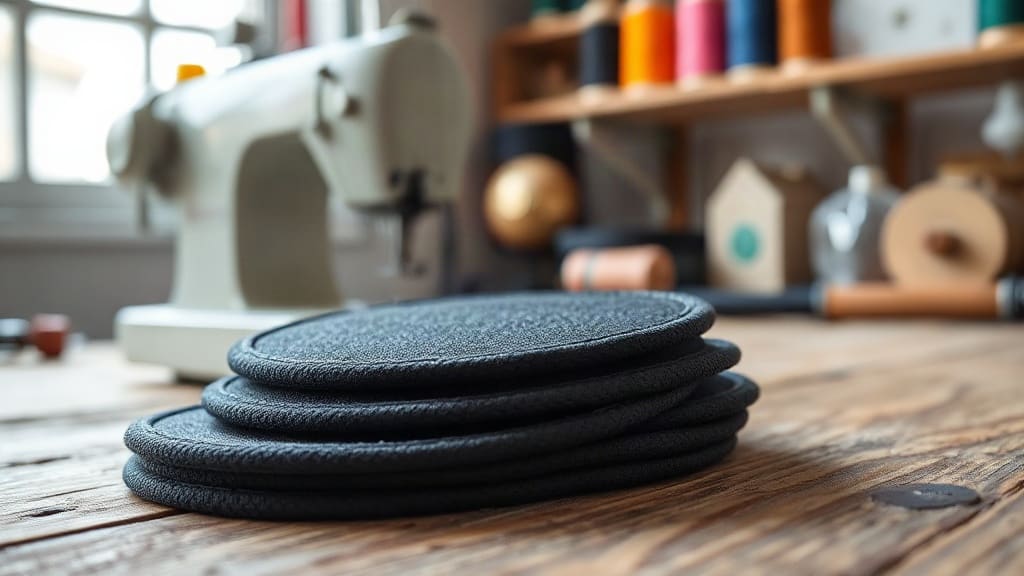
When you order custom patches, you probably focus on the design, colors, and shape. But there's an invisible component that can make or break the final product: the backing material. In the patch industry, we call this the smart blanks layer. It's not just a piece of fabric; it's an engineered foundation that determines how your patch feels, how it ages, and how easily it can be attached to gear. After producing thousands of patches for clients ranging from scout troops to Fortune 500 companies, I've seen firsthand how smart blanks separate a mediocre patch from a professional-grade one. In this article, I'll pull back the curtain on this unsung hero and show you how to choose the right blank for your next project.
What Exactly Are Smart Blanks?
Smart blanks are the base materials onto which your patch design is embroidered, printed, or woven. Unlike standard blanks, which are often simple cut fabric, smart blanks are engineered with specific properties: they resist fraying, maintain shape after washing, and provide a stable surface for fine details. Think of them as the canvas for a painting. A cheap canvas warps and cracks; a high-quality one preserves the artist's work for decades. Similarly, a smart blank ensures your patch looks crisp from day one and stays that way.
The Anatomy of a Smart Blank
Most smart blanks consist of three layers: a base fabric (usually polyester or cotton blend), a stabilizer, and a heat-activated adhesive. The stabilizer prevents the fabric from stretching during embroidery, while the adhesive allows for easy iron-on application. Some advanced blanks also include a peel-and-stick backing or Velcro compatibility. Each layer is chosen for a specific purpose, and together they create a synergy that ordinary blanks lack.
Why Smart Blanks Matter for Custom Patches
You might wonder if the blank really makes a difference. It does, and here's why:
- Durability: Smart blanks resist fraying and pilling, so your patch survives repeated washing and abrasion.
- Detail retention: The stabilizer keeps the fabric taut, allowing embroidery machines to stitch intricate logos without distortion.
- Application versatility: With the right adhesive, smart blanks can be ironed on, sewn, or attached with Velcro, giving you flexibility.
- Comfort: For wearable patches, smart blanks are thinner and more flexible, so they don't irritate the skin.
In short, smart blanks are the difference between a patch that looks homemade and one that looks professionally manufactured.
Real-World Example: The Case of the Fading Fire Department Patch
A local fire department once ordered a batch of patches from a budget supplier. Within six months, the patches had faded, curled at the edges, and some had even detached from their uniforms. The culprit? Cheap blanks that couldn't withstand repeated exposure to heat, water, and chemicals. When they switched to patches made with smart blanks, the new patches lasted for years. The fire chief told me, 'We didn't realize the backing mattered so much until we saw the difference.' That's the power of smart blanks.
Types of Smart Blanks and Their Best Uses
Not all smart blanks are created equal. Here's a breakdown of the most common types and where they shine:
1. Polyester Twill Blanks
These are the workhorses of the patch world. Polyester twill is durable, colorfast, and holds embroidery well. It's ideal for uniform patches, tactical gear, and any application where longevity is key. The tight weave also makes it resistant to dirt and moisture.
2. Cotton Canvas Blanks
If you want a softer, more vintage look, cotton canvas blanks are a great choice. They take dye beautifully, so they're perfect for fashion patches or decorative items. However, they're less resistant to abrasion than polyester, so they're better for low-wear applications.
3. Felt Blanks
Felt blanks are thick and have a fuzzy texture that works well for letterman jackets and casual wear. They provide a plush look but can pill over time. They're not recommended for high-durability needs.
4. Specialty Blanks: Reflective, Glow-in-the-Dark, and More
For safety gear or novelty patches, specialty smart blanks incorporate reflective glass beads or phosphorescent pigments. These blanks add functionality and fun to your patches. They're popular for cycling clubs, night-shift workers, and kids' groups.
How to Choose the Right Smart Blank for Your Project
Selecting the right blank depends on three factors: intended use, design complexity, and budget.
- Intended use: Will the patch be worn daily, washed frequently, or exposed to harsh conditions? If so, go with polyester twill. For decorative or occasional use, cotton or felt may suffice.
- Design complexity: Fine details and small text require a stable blank. Polyester twill with a cut-away stabilizer is your best bet. Avoid felt for intricate designs.
- Budget: Smart blanks cost slightly more than basic blanks, but the longevity they provide often outweighs the initial expense. Consider the total cost of ownership, not just the unit price.
When in doubt, ask your patch manufacturer for samples. A reputable supplier will be happy to send you swatches so you can feel the difference.
Case Study: How a Small Business Saved Money with Smart Blanks
A startup clothing brand ordered 500 patches on cheap blanks to save money. Within three months, 20% of customers complained about fraying and fading. The brand had to replace the patches at its own cost, doubling its expenses. After switching to smart blanks, the complaint rate dropped to zero. The owner told me, 'I learned the hard way that skimping on blanks is a false economy.'
The Manufacturing Process: How Smart Blanks Are Made
Smart blanks undergo a multi-step process to ensure quality. First, the base fabric is woven or knitted to precise specifications. Then, it's treated with a stabilizer, which can be applied as a coating or as a separate layer. Next, the adhesive is added, often in a pattern that allows for breathability. Finally, the blanks are cut to size and packaged. Each step is quality-controlled to ensure consistency. This attention to detail is why smart blanks outperform generic alternatives.
Common Mistakes to Avoid When Using Smart Blanks
Even with smart blanks, mistakes can happen. Here are pitfalls to watch for:
- Using the wrong adhesive: Not all adhesives work with all fabrics. For example, a heat-activated adhesive may not bond well with silicone-coated fabrics. Always test first.
- Over-stretching during embroidery: Even with a stabilizer, excessive stretching can distort the design. Ensure your machine is properly calibrated.
- Ignoring washing instructions: Smart blanks are durable, but they're not indestructible. Follow care guidelines to maximize lifespan.
Frequently Asked Questions About Smart Blanks
What are smart blanks made of?
Smart blanks typically consist of a base fabric (polyester, cotton, or felt), a stabilizer layer, and an adhesive backing. The exact composition varies by manufacturer and intended use.
Are smart blanks more expensive than regular blanks?
Yes, smart blanks usually cost 10-20% more than basic blanks. However, they reduce waste from defective patches and increase customer satisfaction, so they often save money in the long run.
Can I use smart blanks for iron-on patches?
Absolutely. Many smart blanks come with a heat-activated adhesive that makes iron-on application easy. Just follow the temperature and pressure guidelines provided by the manufacturer.
How do smart blanks affect embroidery quality?
Smart blanks provide a stable surface that prevents fabric shifting during embroidery. This results in sharper details, cleaner edges, and fewer thread breaks. The difference is especially noticeable in complex designs.
Where can I buy smart blanks for my own patch projects?
You can find smart blanks at specialty craft stores, online fabric retailers, and directly from patch manufacturers. At PatchesZone, we offer a range of smart blanks tailored to different needs. Contact us for samples and recommendations.
Final Thoughts: Elevate Your Patches with Smart Blanks
Smart blanks are more than just a backing material; they're the foundation of a quality patch. Whether you're ordering patches for a business, a club, or a personal project, investing in smart blanks ensures your design looks great and lasts. Don't let a cheap blank undermine your hard work. Choose smart blanks, and see the difference for yourself.