
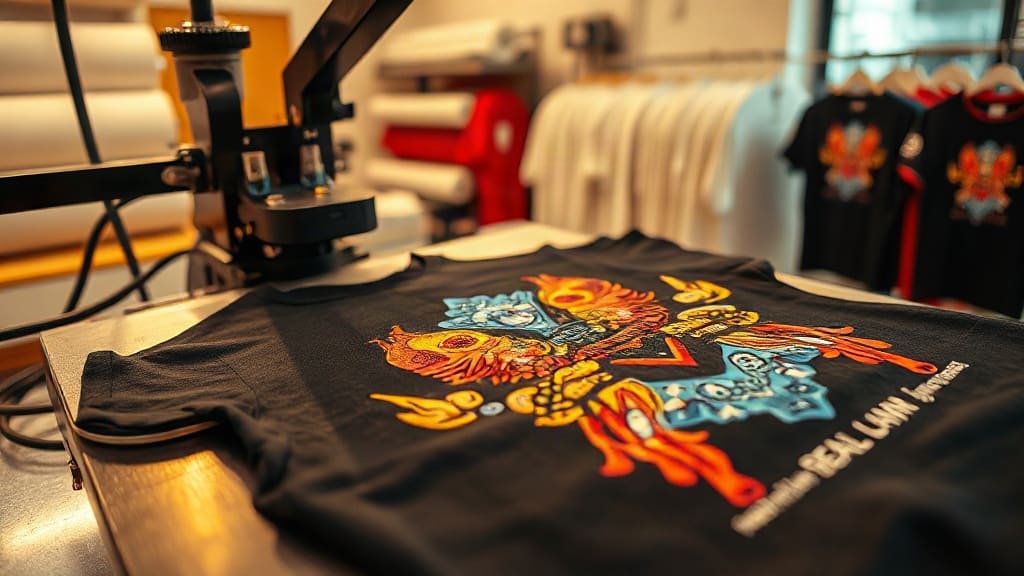
Imagine pressing a button and watching a vibrant, detailed design emerge from a sheet of film onto a t-shirt, with colors so rich they seem to pop off the fabric. That's the magic of DTF transfers, a printing technology that has taken the custom apparel world by storm. Unlike traditional methods that require multiple steps or specific fabrics, DTF transfers offer a versatile, cost-effective solution for bringing any design to life. Whether you're a small business owner, a DIY enthusiast, or a professional printer, understanding DTF transfers can open up a world of possibilities.
What Are DTF Transfers?
DTF stands for Direct to Film. It's a printing process where your design is printed onto a special PET film using water-based inks, then coated with a hot-melt adhesive powder. Once the powder is cured, the transfer is ready to be applied to fabric using a heat press. The result is a soft, flexible print that bonds permanently to the material. Unlike DTG (Direct to Garment) or screen printing, DTF transfers don't require pre-treatment of the fabric or specialized equipment beyond a printer and a heat press. This makes them accessible to a wide range of users, from hobbyists to large-scale production facilities.
Why Choose DTF Transfers?
There are several compelling reasons why DTF transfers have become a preferred choice for many in the industry. Let's explore the key benefits.
Vibrant Colors and Fine Details
DTF transfers excel at reproducing intricate designs with high color accuracy. Because the design is printed on film, you can achieve gradients, photographic images, and fine lines that might be challenging with other methods. The water-based inks produce bright, opaque colors that stand out on both light and dark fabrics. Plus, the white ink layer ensures that your design remains vibrant even on black or navy garments.
Versatility Across Fabrics
One of the biggest advantages of DTF transfers is their compatibility with a wide range of materials. You can apply them to cotton, polyester, blends, and even treated nylon. This versatility means you're not limited to certain fabric types, giving you more freedom in your product offerings. Whether you're printing on t-shirts, hoodies, tote bags, or even denim, DTF transfers deliver consistent results.
Durability and Washability
When applied correctly, DTF transfers are incredibly durable. They withstand repeated washing without fading, cracking, or peeling. The key is proper application: using the right temperature, pressure, and time. Once bonded, the print becomes part of the fabric, stretching and moving with it. This makes DTF transfers ideal for items that will see regular wear and tear, such as work uniforms or sports jerseys.
Cost-Effective for Small and Large Runs
Unlike screen printing, which requires separate screens for each color and becomes costly for small batches, DTF transfers are economical for both short and long runs. You can print one-off designs or produce hundreds of transfers in a single session. The setup cost is minimal, and there's no minimum order quantity. This makes DTF an excellent choice for small businesses, personalized gifts, or on-demand printing.
How to Apply DTF Transfers
Applying DTF transfers is straightforward, but following the correct steps ensures a professional, long-lasting result. Here's a step-by-step guide.
- Prepare your heat press: Set the temperature to around 300-325°F (150-160°C) and adjust the pressure to medium-high.
- Pre-press the garment: This removes moisture and wrinkles, creating a smooth surface for the transfer.
- Position the transfer: Place the DTF transfer on the fabric with the printed side facing up.
- Press: Cover with a protective sheet or parchment paper and press for 10-15 seconds.
- Peel: Wait a few seconds for the transfer to cool slightly, then peel off the film in a smooth, consistent motion. For a matte finish, you can peel while hot; for a glossy finish, wait until it's cold.
- Post-press: For added durability, press again for 5-10 seconds with a protective sheet.
Always test on a scrap piece of fabric first to dial in your settings.
DTF vs. Other Printing Methods
To truly appreciate DTF transfers, it helps to compare them with other popular printing techniques.
DTF vs. DTG
DTG (Direct to Garment) prints directly onto the fabric, which works best on 100% cotton. DTF, on the other hand, can be used on almost any fabric and often produces more vibrant colors on dark garments. DTG requires pre-treatment, while DTF does not. However, DTG can be more cost-effective for large runs on light-colored cotton.
DTF vs. Screen Printing
Screen printing is the go-to for high-volume orders with simple designs. It offers excellent durability and a soft feel, but setting up screens for multi-color designs is time-consuming and expensive. DTF transfers eliminate setup costs and can handle complex, multi-color designs with ease. For small to medium runs, DTF is often more economical.
DTF vs. Vinyl
Heat transfer vinyl (HTV) is great for simple shapes and text, but it can't reproduce photographic images or fine gradients. DTF transfers can do it all, with no weeding required. Plus, DTF prints are generally softer and more flexible than layered vinyl.
Common Challenges and How to Overcome Them
While DTF transfers are user-friendly, some issues can arise. Here are a few common problems and their solutions.
- Faded or dull prints: Ensure your printer settings are correct and that you're using high-quality inks and film. Also, check that the powder is fully cured.
- Poor adhesion: Make sure the fabric is clean and dry, and that you're applying enough pressure and heat. Pre-pressing is crucial.
- Cracking after washing: This often happens if the transfer wasn't pressed long enough or if the garment was washed inside out in hot water. Always follow care instructions.
- Film peeling off: If the film doesn't peel smoothly, it may be due to insufficient cooling time or too much pressure. Adjust as needed.
Tips for Success with DTF Transfers
To get the best results, keep these tips in mind:
- Store unused transfers in a cool, dry place away from direct sunlight.
- Use a quality heat press with consistent temperature and pressure.
- Always test new fabrics and settings before production.
- For stretchy fabrics, use a stretchable DTF film or add a slight stretch to the design.
- Wash garments inside out in cold water and tumble dry low to prolong the life of the print.
Frequently Asked Questions About DTF Transfers
How long do DTF transfers last?
With proper application and care, DTF transfers can last as long as the garment itself. They resist fading, cracking, and peeling through many washes. Following the care instructions is key to longevity.
Can I use DTF transfers on 100% polyester?
Yes, DTF transfers work well on polyester and polyester blends. However, because polyester is heat-sensitive, you may need to lower the press temperature slightly to avoid scorching. Always test first.
Do I need a special printer for DTF transfers?
You need a DTF printer that uses DTF inks and can print on PET film. Many converted Epson printers are popular for this purpose. Alternatively, you can outsource your transfers to a professional DTF service.
What is the difference between DTF and DTG?
DTF involves printing on a film and then transferring to the fabric, while DTG prints directly onto the garment. DTF works on more fabric types and often yields more vibrant colors on dark shirts, while DTG is limited to cotton and requires pre-treatment.
How do I wash a garment with a DTF transfer?
Turn the garment inside out and machine wash in cold water with mild detergent. Avoid bleach and fabric softeners. Tumble dry on low or hang dry. Iron inside out, never directly on the print.
Conclusion
DTF transfers are a game-changer in the custom apparel industry, offering unmatched versatility, vibrant colors, and durability. Whether you're a beginner or a seasoned pro, incorporating DTF into your workflow can expand your creative possibilities and streamline production. With the right knowledge and tools, you can achieve professional-quality results that impress your customers and keep them coming back. So why not give DTF transfers a try? Your next custom creation could be your best one yet.