When it comes to custom apparel, the method you choose can make or break the final product. Among the many options available, DTF transfers have emerged as a game-changer for both professionals and DIY enthusiasts. Unlike traditional screen printing or vinyl cutting, DTF transfers offer unparalleled versatility, allowing you to print full-color designs on a wide range of fabrics with remarkable durability. Whether you're a small business owner looking to expand your product line or a hobbyist eager to create personalized gifts, understanding DTF transfers can unlock a world of creative possibilities.
What Are DTF Transfers?
DTF stands for Direct-to-Film. It's a printing technology where your design is printed onto a special film, coated with a heat-activated adhesive powder, and then transferred onto fabric using a heat press. The result is a vibrant, detailed image that bonds seamlessly with the material. Unlike DTG (Direct-to-Garment) printing, which requires pretreatment and works best on cotton, DTF transfers adhere to a variety of fabrics including polyester, blends, and even leather. This flexibility makes them a favorite for creating custom t-shirts, hoodies, tote bags, and more.
The DTF Transfer Process Step by Step
Understanding how DTF transfers work can help you appreciate their benefits and troubleshoot issues. Here's a breakdown of the process:
- Design Preparation: Your artwork is prepared digitally, ensuring it's mirrored and sized appropriately.
- Printing: A specialized DTF printer lays down CMYK inks and white ink onto a PET film. The white ink acts as a base, allowing the design to show up on dark fabrics.
- Powder Application: While the ink is still wet, a thermoplastic powder is applied evenly over the print. Excess powder is shaken off.
- Curing: The film passes through a heat source (often a curing oven or heat press) to melt the powder, creating a flexible adhesive layer.
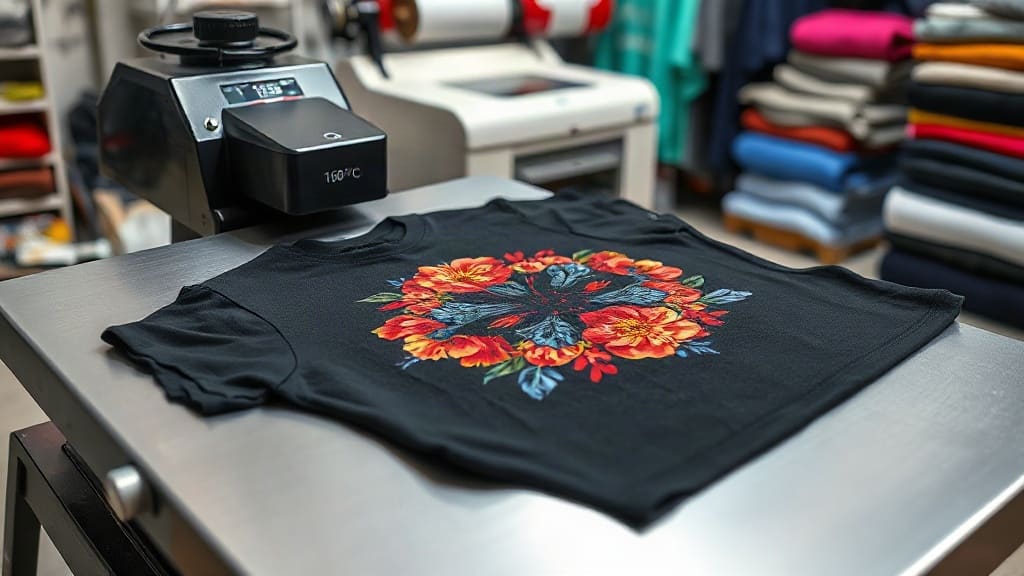
- Transfer: The film is placed on the fabric and pressed with a heat press at specific temperature and pressure. After cooling, the film is peeled away, leaving the design bonded to the fabric.
Why Choose DTF Transfers Over Other Methods?
DTF transfers offer several advantages that set them apart from traditional printing techniques. Here are the key benefits:
- Versatility: Works on almost any fabric, including cotton, polyester, nylon, and leather. No need for different inks or pretreatments.
- Vibrancy: Produces bright, opaque colors even on dark garments, thanks to the white ink base.
- Durability: When applied correctly, DTF transfers withstand repeated washing without cracking or fading.
- Cost-Effective for Short Runs: No setup fees or minimum orders, making it ideal for small businesses and one-off projects.
- Detail: Captures fine lines and gradients with high precision, perfect for photographic designs.
Applications of DTF Transfers
The versatility of DTF transfers means they can be used for a wide range of applications. Some popular uses include:
- Custom t-shirts for events, teams, or businesses
- Personalized hoodies and sweatshirts
- Tote bags and accessories
- Activewear and sportswear
- Corporate uniforms and promotional items
Because DTF transfers can be applied to so many materials, they are a go-to solution for anyone looking to add a professional touch to their products.
Tips for Successful DTF Transfers
To get the best results with DTF transfers, keep these tips in mind:
- Choose the Right Film: Not all DTF films are created equal. Look for films designed for your specific printer and ink type.
- Control Moisture: Fabric should be dry before pressing. Moisture can cause adhesion issues.
- Adjust Pressure: Even pressure across the platen ensures consistent transfer. Too little pressure results in poor adhesion; too much can cause the design to spread.
- Test Peel: Always do a peel test after pressing to ensure the design has adhered properly. If it peels off with the film, adjust your settings.
- Store Properly: Unused DTF transfers should be stored in a cool, dry place away from direct sunlight to prevent the powder from activating prematurely.
Common Mistakes to Avoid
Even experienced crafters can run into issues with DTF transfers. Here are some common pitfalls and how to avoid them:
- Insufficient Curing: If the powder isn't fully melted, the transfer won't adhere. Ensure your curing temperature and time are correct.
- Wrong Fabric: While DTF works on many fabrics, some highly textured or coated materials may not bond well. Always test first.
- Over-Pressing: Excessive heat can scorch the fabric or cause the design to become glossy. Follow the recommended settings.
- Poor Design Resolution: Low-res images will result in pixelated prints. Use high-quality graphics.
Frequently Asked Questions About DTF Transfers
How long do DTF transfers last?
With proper application and care, DTF transfers can last as long as the garment itself. They are resistant to cracking and fading, even after multiple washes. To prolong life, wash inside out in cold water and avoid harsh detergents.
Can I use DTF transfers on dark colors?
Absolutely! DTF transfers include a white ink base that makes colors pop on dark fabrics. This is one of the main advantages over other methods that require a white underbase.
Do I need a special printer for DTF transfers?
Yes, DTF printing requires a printer that uses DTF inks and can handle the film. However, you can also purchase pre-printed DTF transfers from suppliers if you don't want to invest in a printer.
What is the best temperature for pressing DTF transfers?
Typically, DTF transfers are pressed at 300-325°F (150-160°C) for 10-15 seconds with medium pressure. Always check the instructions provided with your specific transfer film.
Can I stretch DTF transfers?
DTF transfers have some elasticity, but they are not recommended for highly stretchy fabrics like spandex. For best results, use on stable fabrics or blend with a small amount of stretch.
By now, you should have a solid understanding of DTF transfers and why they are a superior choice for custom apparel. Whether you're just starting out or looking to upgrade your printing game, DTF transfers offer a reliable, vibrant, and versatile solution. So why wait? Dive into the world of DTF transfers and watch your creative ideas come to life on fabric.