Custom apparel has never been more accessible, thanks to innovations like DTF transfers. Whether you're a small business owner, a hobbyist, or someone looking to create personalized gifts, understanding DTF transfers can open up a world of possibilities. In this guide, we'll dive deep into what DTF transfers are, how they work, and why they might be the perfect solution for your next project.
What Are DTF Transfers?
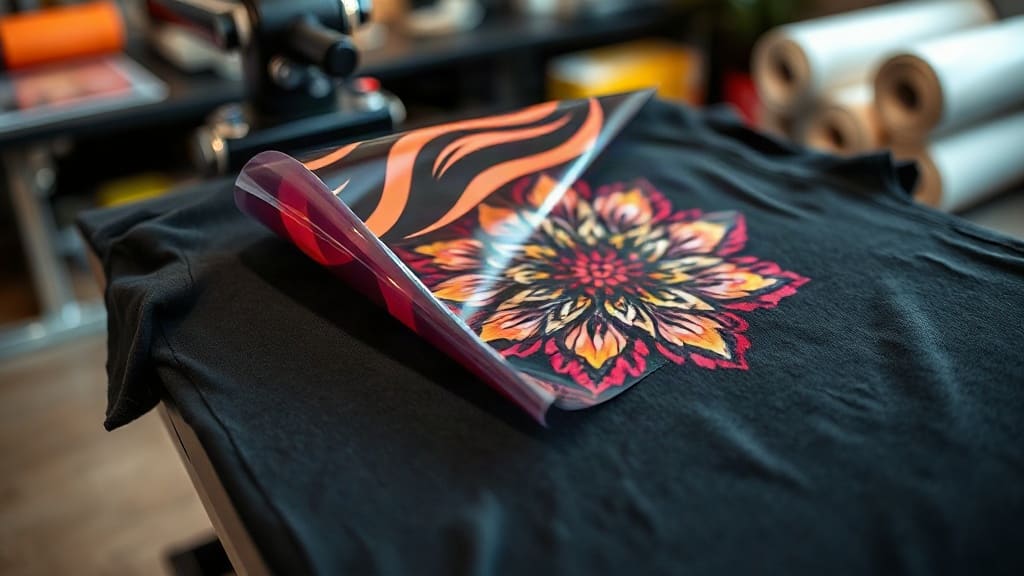
DTF stands for Direct-to-Film. It's a printing technology that involves transferring a design onto a special film, then applying it to a fabric using heat and pressure. Unlike other methods like screen printing or vinyl cutting, DTF transfers allow for full-color, highly detailed designs without the need for multiple screens or layers. The process uses water-based inks that are printed onto a PET film, coated with a powder adhesive, and then cured. When you're ready to apply, you simply place the film on your garment and press it with a heat press.
How DTF Transfers Work: Step by Step
Understanding the DTF process can help you appreciate its versatility and achieve better results. Here's a breakdown of the key steps:
- Design Preparation: Your artwork is prepared digitally, ensuring it's mirrored and sized appropriately.
- Printing: The design is printed onto a special film using a DTF printer with CMYK and white inks.
- Powder Application: A thermoplastic powder is applied to the wet ink, which will act as the adhesive during heat transfer.
- Curing: The film passes through a curing oven or heat press to melt the powder and set the ink.
- Transfer: The film is placed on the fabric and pressed with a heat press at specific temperature and pressure.
- Peeling: After pressing, the film is peeled away (hot or cold peel depending on the film), leaving the design bonded to the fabric.
Each step requires attention to detail, but once mastered, DTF transfers offer incredible consistency and quality.
Why Choose DTF Transfers?
There are several compelling reasons to consider DTF transfers for your custom apparel needs:
- Vibrant Colors: DTF transfers can reproduce complex, multi-color designs with ease, including gradients and photographic images.
- No Weeding or Cutting: Unlike vinyl, there's no tedious weeding process, saving time and reducing waste.
- Works on Many Fabrics: DTF transfers adhere well to cotton, polyester, blends, and even some synthetic materials.
- Durability: When applied correctly, DTF prints are wash-resistant and can withstand stretching without cracking.
- Cost-Effective for Short Runs: Without setup costs like screen printing, DTF is ideal for small batches or one-off items.
DTF vs. Other Printing Methods
How does DTF stack up against other popular decoration methods? Let's compare:
DTF vs. Screen Printing
Screen printing is cost-effective for large orders but requires separate screens for each color, making it less practical for complex designs or small runs. DTF shines in short runs and detailed artwork, with no color limitations.
DTF vs. DTG (Direct-to-Garment)
DTG prints directly onto the garment, which limits it mostly to cotton fabrics. DTF transfers can be applied to a wider range of materials and often produce more vibrant colors on dark fabrics due to the white ink layer.
DTF vs. Vinyl
Vinyl is great for simple, single-color designs but falls short for multi-color or photographic images. DTF allows for intricate designs without the labor of layering and weeding vinyl.
Applications of DTF Transfers
DTF transfers are incredibly versatile and can be used for:
- T-shirts, hoodies, and sweatshirts
- Tote bags and backpacks
- Uniforms for sports teams or businesses
- Promotional items and giveaways
- Personalized gifts
Whether you're branding a company or creating a custom piece for yourself, DTF transfers deliver professional results.
Tips for Successful DTF Transfers
To get the best results with DTF transfers, keep these tips in mind:
- Choose the Right Film: Not all DTF films are created equal. Select a film compatible with your printer and intended fabric.
- Control Moisture: Fabric should be dry before pressing. Pre-press the garment to remove moisture and wrinkles.
- Follow Temperature and Pressure Guidelines: Each film and powder has specific settings. Typically, temperatures range from 300°F to 350°F (150°C to 175°C) with medium to high pressure.
- Peel at the Right Time: Some films require hot peel, others cold. Check the manufacturer's instructions.
- Wash Inside Out: To prolong the life of your DTF print, wash the garment inside out in cold water and avoid harsh detergents.
Common Mistakes to Avoid
Even experienced crafters can run into issues. Here are some pitfalls to watch out for:
- Insufficient Pressure: Without enough pressure, the design may not adhere properly, leading to peeling.
- Incorrect Temperature: Too low and the powder won't melt; too high and you might scorch the fabric or film.
- Not Pre-Pressing: Skipping pre-pressing can trap moisture, causing poor adhesion.
- Peeling Too Early or Late: Timing is crucial for a clean peel.
By avoiding these mistakes, you'll achieve consistent, professional-looking results.
Frequently Asked Questions About DTF Transfers
How long do DTF transfers last?
With proper application and care, DTF transfers can last as long as the garment itself. They are durable through many washes, often exceeding 50 washes without significant fading or cracking.
Can I use DTF transfers on dark colors?
Absolutely! DTF transfers include a white ink layer that makes colors pop on dark fabrics. This is one of their key advantages over DTG printing.
Do I need a special printer for DTF?
Yes, DTF requires a dedicated DTF printer that uses DTF inks and films. However, you can also purchase pre-printed DTF transfers from suppliers if you don't want to invest in a printer.
What fabrics work best with DTF transfers?
DTF transfers work well on cotton, polyester, cotton-poly blends, and even some synthetic fabrics like nylon. They are not recommended for fabrics with heavy coatings or treatments.
Is DTF transfer cost-effective for small businesses?
Yes, DTF transfers are very cost-effective for short runs and custom orders because there are no setup fees or minimums. You can print one-off designs without breaking the bank.
DTF transfers are a game-changer in the world of custom apparel. With their ability to produce vibrant, detailed designs on a variety of fabrics, they offer flexibility and quality that traditional methods sometimes can't match. Whether you're just starting out or looking to expand your offerings, mastering DTF transfers can set your creations apart. So why not give it a try? Your next custom apparel project could be your best one yet.