When it comes to custom apparel, DTF transfers have quickly become a go-to solution for businesses and hobbyists alike. Unlike traditional methods that require weeding or specialized equipment, DTF transfers offer a streamlined approach to creating vibrant, long-lasting designs on a variety of fabrics. Whether you're running a small print shop or just want to personalize your own clothing, understanding DTF transfers can open up a world of possibilities. In this guide, we'll walk you through everything you need to know about DTF transfers, from the basics of the process to practical tips for achieving professional results.
What Are DTF Transfers?
DTF stands for Direct to Film. It's a printing technology where your design is printed onto a special film, coated with a powder adhesive, and then heat-pressed onto the fabric. The result is a soft, stretchable print that bonds permanently to the material. Unlike DTG (Direct to Garment) printing, which prints directly onto the fabric, DTF transfers allow you to print on a wider range of materials, including cotton, polyester, blends, and even some synthetics. This versatility makes DTF a favorite for custom t-shirts, hoodies, tote bags, and more.
How DTF Transfers Work: Step by Step
Understanding the DTF process helps you appreciate why it's so effective. Here's a breakdown of the key steps:
- Design Preparation: Your artwork is prepared digitally, ensuring it's mirrored and sized correctly. DTF printers use CMYK plus white ink to create vibrant colors, even on dark fabrics.
- Printing: The design is printed onto a PET film. The white ink layer is crucial as it acts as a base, allowing colors to pop on any background.
- Powder Application: While the ink is still wet, a hot-melt adhesive powder is applied evenly over the print. Excess powder is shaken off.
- Curing: The film passes through a heat source (like a heat press or oven) to melt the powder, creating a dry, tacky surface.
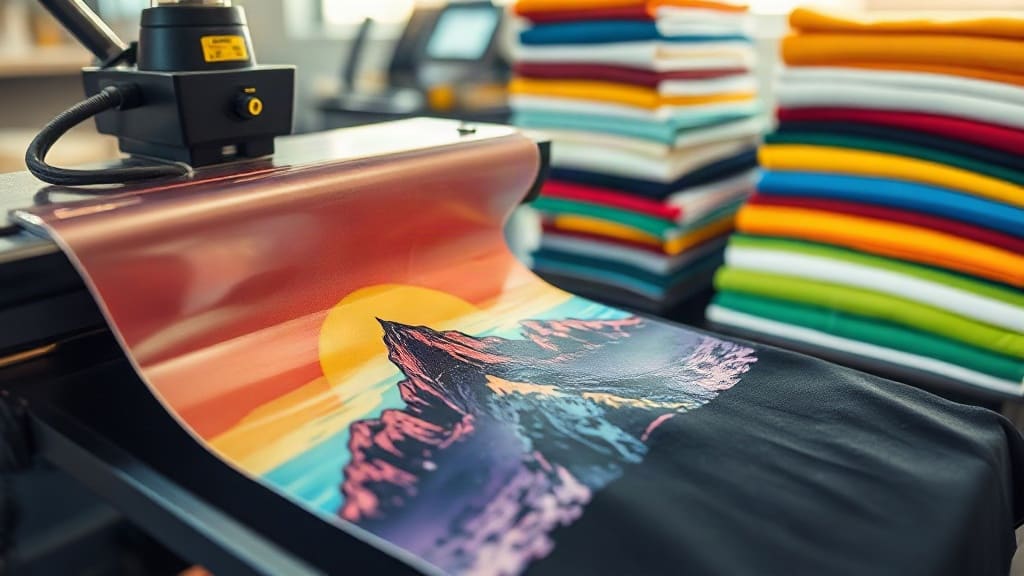
- Transfer: The film is placed onto the fabric and heat-pressed. The adhesive bonds with the fabric, and after cooling, the film is peeled away, leaving the design behind.
This process can be done with a dedicated DTF printer setup, or you can order pre-made DTF transfers from a supplier. Many small businesses opt for the latter to avoid the initial investment in equipment.
Why Choose DTF Transfers for Custom Apparel?
DTF transfers offer several advantages that make them stand out:
- Fabric Versatility: Works on cotton, polyester, nylon, leather, and more. No need for different transfer types for different materials.
- Vibrant Colors: The white ink base allows for bright, opaque colors even on dark garments.
- Durability: When applied correctly, DTF prints withstand repeated washing without cracking, peeling, or fading.
- Soft Feel: The prints are thin and flexible, moving with the fabric for a comfortable wear.
- No Weeding: Unlike vinyl, there's no tedious weeding process, saving time and labor.
- Cost-Effective for Short Runs: Ideal for small batches or one-off custom items, as there's no setup cost for screens or plates.
Applications of DTF Transfers
DTF transfers are used across various industries and personal projects. Common applications include:
- Custom t-shirts for events, teams, or businesses
- Personalized hoodies and sweatshirts
- Tote bags and promotional items
- Uniforms for schools and sports teams
- Fashion apparel with intricate designs
Because DTF transfers can handle fine details and gradients, they're perfect for photorealistic images and complex graphics that other methods might struggle with.
Tips for Successful DTF Transfer Application
To get the best results with DTF transfers, follow these practical tips:
- Preheat the Fabric: This removes moisture and wrinkles, ensuring proper adhesion.
- Use the Right Pressure: Medium to high pressure is typically needed. Follow the transfer supplier's recommendations.
- Temperature Matters: Most DTF transfers require 300-340°F (150-170°C). Too low, and the adhesive won't bond; too high, and you risk scorching.
- Peel Correctly: Always peel the film cold. Wait for it to cool completely before peeling to avoid distorting the print.
- Wash Inside Out: To extend the life of your DTF-printed apparel, wash inside out in cold water and tumble dry low.
Experiment with scrap fabric first to dial in your heat press settings. Every fabric behaves slightly differently, so a test run can save you from ruining a good garment.
DTF vs. Other Printing Methods
How does DTF stack up against other popular techniques?
- DTF vs. DTG: DTG requires pre-treatment and works best on 100% cotton. DTF works on almost any fabric and doesn't need pre-treatment.
- DTF vs. Vinyl: Vinyl is limited to simple designs and requires weeding. DTF handles complex, multi-color designs with ease.
- DTF vs. Screen Printing: Screen printing is cost-effective for large orders but has setup costs and limited colors per screen. DTF is better for short runs and detailed artwork.
- DTF vs. Sublimation: Sublimation only works on light-colored polyester. DTF works on dark cotton and other materials.
Each method has its place, but DTF's versatility often makes it the preferred choice for custom apparel.
Getting Started with DTF Transfers
If you're ready to dive into DTF, here are your options:
- Buy a DTF Printer: Entry-level printers start around $3,000-$5,000, plus supplies. This is best if you plan to produce transfers in-house regularly.
- Order Custom Transfers: Many online suppliers will print and ship DTF transfers based on your artwork. This is perfect for occasional projects or if you want to test the waters.
- Use a Heat Press: You'll need a heat press to apply the transfers. A quality press ensures even temperature and pressure.
For those just starting, ordering transfers from a reputable supplier like Patches Zone can be a smart way to offer DTF without the upfront equipment costs. As demand grows, you can scale up.
Frequently Asked Questions About DTF Transfers
How long do DTF transfers last?
With proper application and care, DTF transfers can last as long as the garment itself. They resist cracking, peeling, and fading through many washes. Following washing instructions is key to longevity.
Can I apply DTF transfers to any fabric?
DTF transfers work on a wide range of fabrics, including cotton, polyester, blends, nylon, and leather. However, fabrics with a very rough texture or heavy coating may not yield optimal results. Always test on a small area first.
Do I need special equipment to apply DTF transfers?
You need a heat press to apply DTF transfers. A home iron is not recommended as it doesn't provide consistent temperature and pressure. A heat press ensures professional, durable results.
Are DTF transfers safe for children's clothing?
Yes, DTF transfers are safe for children's clothing as long as they are applied correctly and the inks are non-toxic. Most reputable suppliers use CPSIA-compliant inks. Always check with your supplier for safety certifications.
Can I stretch DTF-printed fabric without damaging the print?
DTF prints are flexible and can stretch with the fabric to some extent. However, excessive stretching may cause the print to crack over time. It's best to avoid overstretching the printed area.
DTF transfers have transformed the custom apparel industry by offering a versatile, durable, and vibrant printing solution. Whether you're a business looking to expand your offerings or an individual wanting to create unique clothing, DTF transfers provide an accessible path to professional results. With the right knowledge and tools, you can achieve stunning, long-lasting designs that impress.