
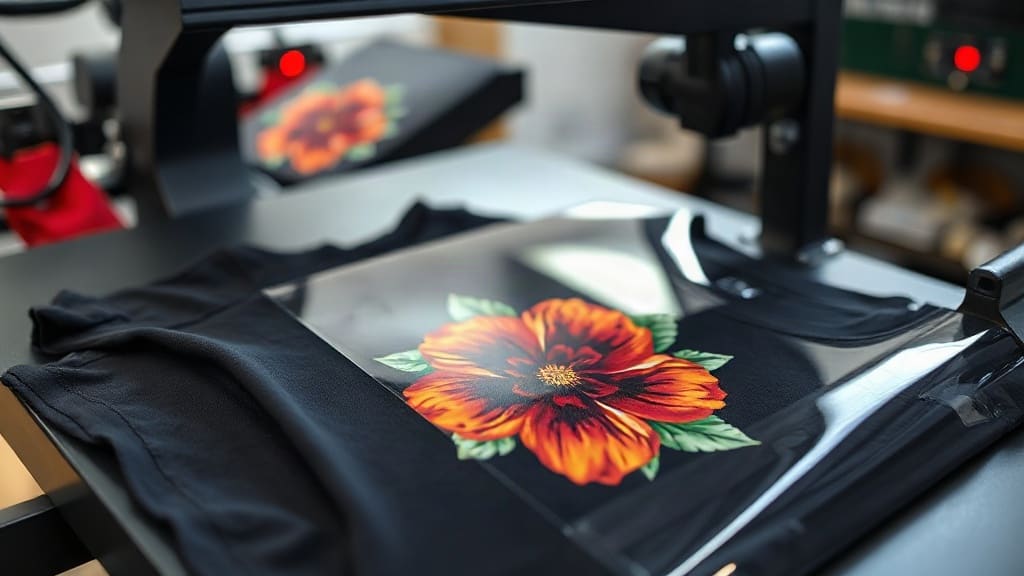
Imagine pressing a vibrant, full-color design onto a dark cotton t-shirt with the ease of a simple heat press. That's the promise of DTF transfers, a printing technology that has taken the custom apparel world by storm. Unlike traditional screen printing or vinyl, DTF (Direct to Film) transfers offer incredible detail, stretchability, and durability on a wide range of fabrics. Whether you're a hobbyist or a professional print shop, understanding DTF transfers can open up new creative and business opportunities.
In this guide, we'll dive deep into what DTF transfers are, how they work, and how you can use them to produce stunning, long-lasting apparel. We'll also compare them to other methods and share practical tips for getting the best results.
What Are DTF Transfers?
DTF transfers are a type of heat-applied decoration where a design is printed onto a special film, coated with a adhesive powder, and then transferred to a garment using a heat press. The process involves printing with special DTF inks (usually pigment-based) onto a PET film, then applying a thermoplastic polyurethane (TPU) powder while the ink is still wet. This powder adheres to the ink and acts as the glue that bonds the design to the fabric when heat pressed.
The result is a soft, stretchable transfer that can be applied to almost any fabric, including cotton, polyester, blends, and even treated nylon. Unlike vinyl, DTF transfers can reproduce complex, multi-color images with gradients and fine details without the need for multiple screens or layers.
How DTF Transfers Are Made
Creating a DTF transfer involves several key steps:
- Design Preparation: Your artwork is prepared in a graphics program, ensuring it's mirrored (since the film is flipped during transfer).
- Printing: A DTF printer lays down a layer of white ink (for opacity on dark fabrics) followed by CMYK inks to create the full-color image. The inks are formulated to be flexible and durable.
- Powder Application: While the ink is still wet, TPU powder is sprinkled over the print. The excess powder is shaken off, leaving a thin, even layer adhering to the ink.
- Curing: The film is then heated to melt the powder, creating a smooth, dry surface that can be stored or immediately used.
- Transfer: The cured film is placed on the garment and heat pressed. The powder melts again, bonding the ink to the fabric. After cooling, the film is peeled away, leaving the design behind.
This process can be done in-house with a DTF printer and heat press, or you can order pre-made DTF transfers from suppliers.
Why Choose DTF Transfers?
DTF transfers offer several advantages over other decoration methods:
- No Weeding or Cutting: Unlike vinyl, DTF transfers don't require weeding, saving time and labor.
- Full-Color Complexity: You can print photographic images, gradients, and fine lines without the limitations of layered vinyl or screen printing.
- Fabric Versatility: Works on cotton, polyester, blends, and even some synthetic fabrics. No need for special coatings or pre-treatment.
- Durability: When applied correctly, DTF transfers withstand repeated washing without cracking, peeling, or fading.
- Stretchability: The TPU powder gives the transfer elasticity, making it ideal for stretchy fabrics like spandex and athletic wear.
- Cost-Effective for Short Runs: No setup fees or minimums, making it perfect for one-off designs or small batches.
These benefits make DTF transfers a favorite for custom t-shirts, hoodies, bags, and more.
DTF vs. Other Printing Methods
How does DTF stack up against other popular techniques?
DTF vs. Screen Printing
Screen printing is cost-effective for large orders but requires separate screens for each color, making complex designs expensive. DTF excels at full-color, detailed designs and short runs. However, screen printing can be faster for bulk orders of simple designs.
DTF vs. DTG (Direct to Garment)
DTG prints directly onto the garment, which limits it mostly to 100% cotton. DTF works on more fabrics and often produces more vibrant colors on dark shirts because of the white ink base. DTG can be simpler for one-offs, but DTF transfers can be printed ahead and stored.
DTF vs. Vinyl (HTV)
Heat transfer vinyl is great for simple, single-color designs but requires weeding and layering for multi-color. DTF handles complex designs in one go and is more durable on stretch fabrics.
How to Apply DTF Transfers
Applying DTF transfers is straightforward with a heat press. Here's a step-by-step guide:
- Preheat the Garment: Press the garment for a few seconds to remove moisture and wrinkles.
- Position the Transfer: Place the DTF transfer on the garment with the printed side facing up.
- Press: Set your heat press to 325°F (160°C) with medium pressure. Press for 10-15 seconds.
- Peel: Wait a few seconds for the transfer to cool slightly, then peel the film off in a smooth, consistent motion. For a matte finish, peel while hot; for glossy, peel cold.
- Post-Press (Optional): For added durability, cover with parchment paper and press again for 5-10 seconds.
Always follow the specific instructions provided by your transfer supplier, as times and temperatures can vary.
Design Tips for DTF Transfers
To get the best results, keep these design considerations in mind:
- Resolution: Use high-resolution images (300 DPI) for crisp prints.
- Mirroring: Remember to mirror your design before printing.
- Color Mode: Work in CMYK for accurate color reproduction.
- White Underbase: DTF printers automatically add a white layer, so you don't need to create one unless you want specific effects.
- Size: Ensure your design fits the platen and garment area.
Also, consider the fabric color: DTF transfers are opaque, so they show up well on dark backgrounds, but lighter colors may require a white base for vibrancy.
Common Challenges and Solutions
While DTF is user-friendly, you might encounter issues. Here are some common problems and how to fix them:
- Transfer Not Adhering: Increase pressure or temperature. Ensure the powder was properly cured.
- Cracking: Too much pressure or insufficient powder can cause cracking. Adjust settings.
- Color Fading: Wash garments inside out in cold water and avoid bleach.
- Film Sticking: Let the transfer cool completely before peeling if you experience sticking.
With practice, you'll master the nuances and achieve professional results.
Frequently Asked Questions
What fabrics can I use with DTF transfers?
DTF transfers work on a wide range of fabrics, including cotton, polyester, cotton-poly blends, spandex, nylon, and even leather. They are particularly effective on dark and stretchy materials.
How long do DTF transfers last?
When applied correctly and cared for properly, DTF transfers can last as long as the garment itself. They withstand dozens of washes without significant fading or cracking.
Can I stretch DTF transfers?
Yes, the TPU powder gives DTF transfers elasticity, so they can stretch with the fabric without breaking. This makes them ideal for athletic wear and stretchy garments.
Do I need a special printer for DTF?
Yes, DTF requires a dedicated DTF printer that uses pigment inks and can handle the film and powder process. However, you can also order pre-made transfers from suppliers.
Is DTF more expensive than other methods?
For short runs, DTF is often more cost-effective than screen printing due to no setup costs. For large orders, screen printing may be cheaper per unit. Consider your volume and design complexity.
DTF transfers are a game-changer for custom apparel, offering versatility, durability, and stunning detail. Whether you're printing your own designs or ordering transfers, this technology opens up a world of possibilities. Experiment, practice, and watch your creations come to life.