
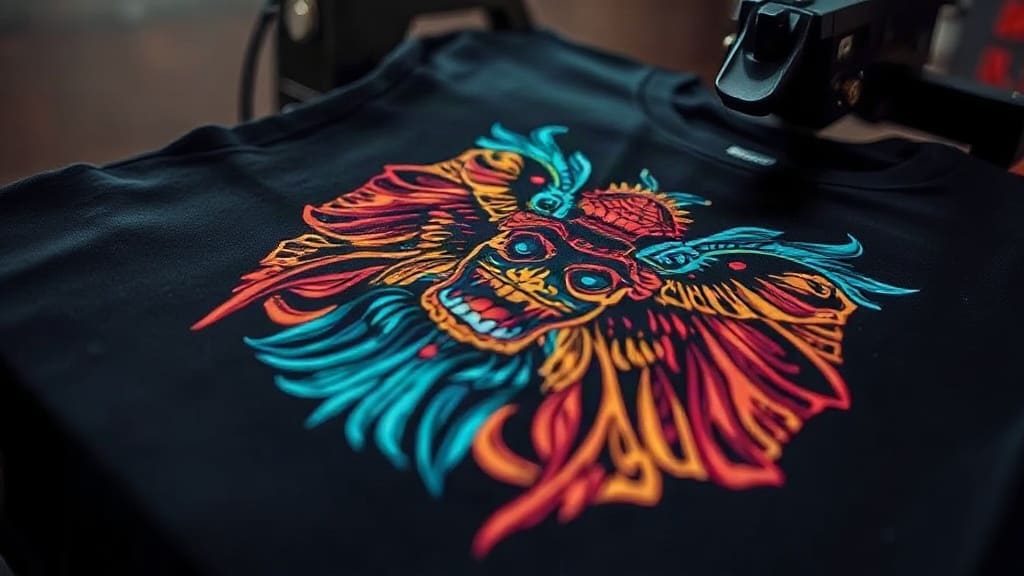
Imagine holding a t-shirt with a design so vivid it looks like it was painted directly onto the fabric. That's the magic of DTF printing, a technology that has taken the custom apparel world by storm. Whether you're a small business owner, a creative artist, or someone who loves personalized gear, DTF printing offers a versatile and accessible way to bring your ideas to life. In this guide, we'll walk you through everything you need to know about DTF printing on demand, from the basics to advanced tips, so you can start creating stunning custom products today.
What is DTF Printing?
DTF stands for Direct to Film. It's a printing method where your design is printed onto a special film, coated with adhesive powder, and then heat-pressed onto fabric. Unlike DTG (Direct to Garment) printing, which prints directly onto the fabric, DTF uses a transfer film as an intermediary. This allows for printing on a wide range of materials, including cotton, polyester, blends, and even leather. The result is a soft, stretchable, and durable print that can handle washing and wearing without cracking or fading easily.
The process might sound technical, but it's surprisingly straightforward. First, you print your design onto the film using a specialized DTF printer with pigment inks. Then, you apply a thermoplastic powder to the wet ink while it's still on the film. After shaking off the excess powder, you cure the film with heat. Finally, you transfer the design onto your garment using a heat press. The adhesive melts and bonds with the fabric, creating a permanent bond. It's a game-changer for print-on-demand because it eliminates the need for minimum order quantities and allows for full-color, photographic-quality prints.
Why Choose DTF for Print on Demand?
If you're running a print-on-demand business, DTF offers several advantages that make it a top choice. Let's break them down.
No Minimum Order Quantities
With DTF, you can print one-off designs without worrying about bulk orders. This is perfect for dropshipping or personalized gifts. You only produce what you sell, reducing waste and inventory costs.
Works on Almost Any Fabric
Unlike some methods that require 100% cotton, DTF adheres well to cotton, polyester, nylon, leather, and blends. This versatility means you can offer a wider range of products, from t-shirts and hoodies to tote bags and caps.
Vibrant, Detailed Prints
DTF printers use CMYK plus white ink, allowing for bright colors and fine details. You can print gradients, photographs, and complex artwork without losing quality. The white ink layer ensures that colors pop even on dark fabrics.
Durability and Soft Feel
The prints are stretchable and soft to the touch, not plasticky like some heat transfers. They withstand repeated washing without cracking, peeling, or fading, making them ideal for everyday wear.
Cost-Effective for Small Runs
While the initial setup for a DTF printer and supplies can be an investment, the per-unit cost for small batches is lower than screen printing, which requires setup fees for each color. For print-on-demand, where orders vary, DTF is often more economical.
DTF vs. Other Printing Methods
To understand where DTF shines, let's compare it to other popular printing techniques.
DTF vs. DTG
DTG prints directly onto the garment, which works best on 100% cotton. It can be slower and may require pre-treatment. DTF uses a transfer, so it works on more fabrics and often produces more vibrant colors on dark shirts. However, DTG can feel slightly softer on the fabric because there's no transfer layer.
DTF vs. Screen Printing
Screen printing is cost-effective for large orders but requires separate screens for each color, making small runs expensive. DTF excels for small batches and complex designs because there are no setup fees per color.
DTF vs. Vinyl
Heat transfer vinyl (HTV) is great for simple designs but limited in color and detail. DTF can handle full-color images and gradients, making it more versatile for intricate artwork.
Step-by-Step DTF Printing Process
Ready to try DTF printing? Here's a detailed walkthrough to help you get started.
- Design Preparation: Create your artwork in a graphic design software. Ensure it's in CMYK color mode and mirror the image horizontally before printing.
- Printing: Load the DTF film into your printer and print the design using DTF inks. The printer will lay down CMYK and white ink.
- Powder Application: While the ink is still wet, sprinkle the DTF adhesive powder evenly over the design. Shake off excess powder.
- Curing: Place the film in a curing oven or under a heat press for the recommended time and temperature (usually around 160°C for 2-3 minutes). This melts the powder and sets the ink.
- Transfer: Set your heat press to the appropriate temperature (around 150-160°C) and pressure. Place the cured film on the garment with the design facing up. Press for 10-15 seconds.
- Peel: Wait for the film to cool slightly (or peel while hot, depending on the film type), then peel off the film backing. The design remains on the fabric.
Each step requires attention to detail, but with practice, you'll master the process.
Setting Up Your DTF Print on Demand Business
Starting a DTF print-on-demand business involves more than just printing. Here's what you need to consider.
Equipment and Supplies
You'll need a DTF printer (like those from Epson or Roland), DTF inks, DTF film, adhesive powder, a heat press, and a curing oven. Quality supplies are crucial for professional results.
Software and Design
Invest in good graphic design software like Adobe Photoshop or Illustrator. You can also use free tools like GIMP or Canva for basic designs. Ensure your designs are high-resolution (300 DPI) for crisp prints.
Pricing and Profit Margins
Calculate your costs: ink, film, powder, garment, and labor. Then set a competitive price. Typical profit margins for custom apparel range from 40-60%, but DTF can reduce costs for small runs, improving margins.
Marketing Your Products
Use social media, especially Instagram and TikTok, to showcase your designs. Create a Shopify or Etsy store to sell your products. Leverage print-on-demand platforms like Printful or Printify if you don't want to handle printing yourself, but note that not all offer DTF. Many now do, so check their services.
Common Challenges and Solutions
Even with a great setup, you might face issues. Here are some common problems and how to fix them.
- Faded Prints: Ensure proper curing and use quality inks. Under-curing can cause fading.
- Cracking: Stretching the garment too much during pressing or using too much pressure can cause cracks. Adjust settings.
- Adhesive Residue: If powder isn't fully melted, it can leave a sticky feel. Increase curing time or temperature.
- Color Accuracy: Calibrate your printer and use ICC profiles for accurate colors.
With troubleshooting, you can achieve consistent, professional results.
Future of DTF Printing
DTF technology is continually evolving. We're seeing faster printers, eco-friendly inks, and improved films that require less powder. As demand for customization grows, DTF is likely to become even more accessible and efficient. For print-on-demand entrepreneurs, staying updated with these trends can give you a competitive edge.
Frequently Asked Questions
What is the difference between DTF and DTG printing?
DTF (Direct to Film) uses a transfer film to apply designs to fabric, while DTG (Direct to Garment) prints directly onto the garment. DTF works on more fabric types and often produces more vibrant colors, especially on dark materials. DTG is typically limited to cotton and may require pre-treatment.
Can I use DTF printing on polyester?
Yes, DTF printing adheres well to polyester and polyester blends. The low-temperature transfer process (around 150-160°C) prevents the polyester from scorching or melting, making it a great option for sportswear and activewear.
How durable is DTF printing?
DTF prints are highly durable. When properly applied, they can withstand 50+ washes without cracking, peeling, or fading. The stretchable nature of the print allows it to move with the fabric, reducing wear.
Do I need a special printer for DTF?
Yes, you need a dedicated DTF printer that uses pigment inks and has a white ink channel. You can convert some Epson printers for DTF use, but it's essential to use DTF-specific inks and films for best results.
Is DTF printing cost-effective for small businesses?
Absolutely. DTF has low setup costs and no minimum order requirements, making it ideal for small businesses and print-on-demand. The per-unit cost is reasonable, and you can offer a wide range of products without inventory risk.