In the rapidly evolving world of custom apparel, DTF printing has emerged as a game-changer for on-demand production. Unlike traditional methods that require minimum orders and lengthy setup, DTF (Direct to Film) printing allows you to create vibrant, durable designs on a wide range of fabrics with ease. Whether you're a small business owner, a hobbyist, or a large-scale manufacturer, understanding DTF printing can open up new possibilities for your brand.
What is DTF Printing?
DTF printing stands for Direct to Film. It's a digital printing technology where your design is printed onto a special film, coated with adhesive powder, and then heat-pressed onto the fabric. This method differs from DTG (Direct to Garment) and screen printing because it doesn't require pre-treatment of the fabric and works on nearly any material, including cotton, polyester, blends, and even leather.
The process involves several key steps:
- Design Preparation: Your artwork is prepared digitally, ensuring it's mirrored and sized correctly.
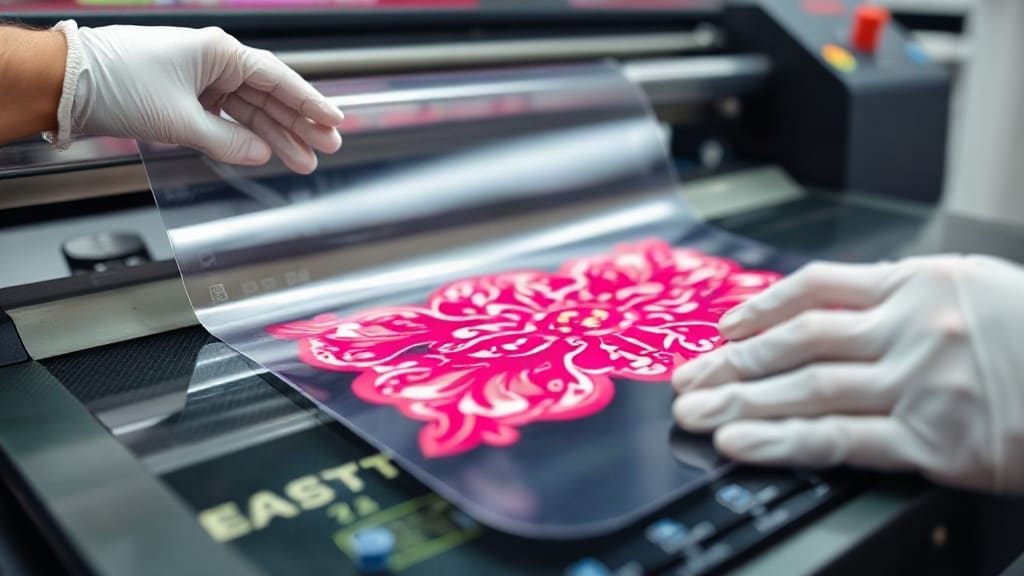
- Printing: The design is printed onto a PET film using specialized DTF inks (CMYK plus white).
- Powdering: A thermoplastic adhesive powder is applied to the wet ink.
- Curing: The film is heated to melt the powder, creating a transferable layer.
- Transfer: The film is placed on the fabric and heat-pressed, transferring the design.
Why DTF Printing is Ideal for On-Demand Production
On-demand production means creating items only when they're ordered, reducing inventory waste and allowing for endless customization. DTF printing fits perfectly into this model for several reasons:
- No Minimum Orders: You can print a single item or hundreds without setup costs.
- Versatility: Works on various fabrics and colors, including dark garments.
- Durability: Designs resist cracking, peeling, and fading even after multiple washes.
- Speed: The process is fast, enabling quick turnaround times.
- Cost-Effective: Low initial investment compared to screen printing.
These benefits make DTF printing a favorite among print-on-demand (POD) businesses, especially those using platforms like Shopify, Etsy, or WooCommerce.
DTF vs. Other Printing Methods
To appreciate DTF printing, it helps to compare it with alternatives:
DTF vs. DTG
DTG printing requires pre-treatment and works best on 100% cotton. DTF printing needs no pre-treatment and adheres to more materials, making it more versatile. However, DTG can produce softer prints on light garments.
DTF vs. Screen Printing
Screen printing is cost-effective for large orders but has setup fees and is impractical for small batches. DTF printing excels in short runs and complex designs with gradients.
DTF vs. Vinyl
Heat transfer vinyl (HTV) is great for simple designs but struggles with intricate details. DTF printing captures fine lines and photographic images with ease.
Setting Up a DTF Printing Workflow
Starting with DTF printing requires some essential equipment and supplies:
- DTF Printer: A specialized printer with white ink circulation. Epson conversion kits are popular.
- DTF Inks: Pigment-based inks formulated for film printing.
- PET Film: Available in rolls or sheets, with a matte or glossy finish.
- Adhesive Powder: Thermoplastic powder (TPU) for bonding.
- Heat Press: A commercial-grade press capable of uniform pressure and temperature.
- Curing Oven or Heat Gun: For melting the powder.
Once equipped, you can design in software like Photoshop or Illustrator, rip the file, and print. After powdering and curing, transfers are ready to press onto garments.
Tips for Success with DTF Printing
To achieve professional results, keep these tips in mind:
- Maintain Your Printer: Regular cleaning prevents clogs, especially with white ink.
- Use Quality Supplies: Cheaper films or powders can lead to poor adhesion.
- Test Press Settings: Temperature, time, and pressure vary by fabric. Always test.
- Store Transfers Properly: Keep them dry and away from direct sunlight.
- Offer a Variety of Products: Beyond t-shirts, try hoodies, tote bags, and caps.
Common Challenges and Solutions
Even with a solid setup, you might face issues. Here are common problems and fixes:
Poor Adhesion
If the design peels, increase pressure or temperature. Ensure the fabric is clean and flat.
Faded Colors
Fading after washing often indicates under-curing. Increase curing time or temperature.
Clogged Printheads
Regular maintenance and using a humidifier can prevent clogs. Always cap the printhead when not in use.
Is DTF Printing Right for Your Business?
If you're in the custom apparel space, DTF printing offers flexibility, quality, and scalability. It's ideal for startups and established businesses alike. With low barriers to entry, you can test designs without inventory risk. Plus, the prints are soft, stretchable, and long-lasting, keeping customers satisfied.
As the demand for personalized products grows, DTF printing positions you to meet it head-on. Whether you're printing on demand for online orders or creating samples for wholesale, this technology can streamline your operations.
Frequently Asked Questions
What fabrics can I use with DTF printing?
DTF printing works on cotton, polyester, blends, leather, and even some synthetics. It's one of the most versatile methods available.
How long do DTF prints last?
When properly applied and cared for, DTF prints can last as long as the garment itself, resisting cracking and fading through many washes.
Do I need a special printer for DTF?
Yes, you need a printer modified for DTF printing, typically an Epson with DTF ink and a film feeder. Standard printers won't work.
Can I use DTF on dark shirts?
Absolutely. DTF printing uses a white ink base, so it shows up vividly on dark fabrics without needing a separate white layer.
Is DTF printing cost-effective for small orders?
Yes, DTF printing has no minimum order quantity, making it perfect for one-off items or small batches. The cost per print is low, especially compared to screen printing.