
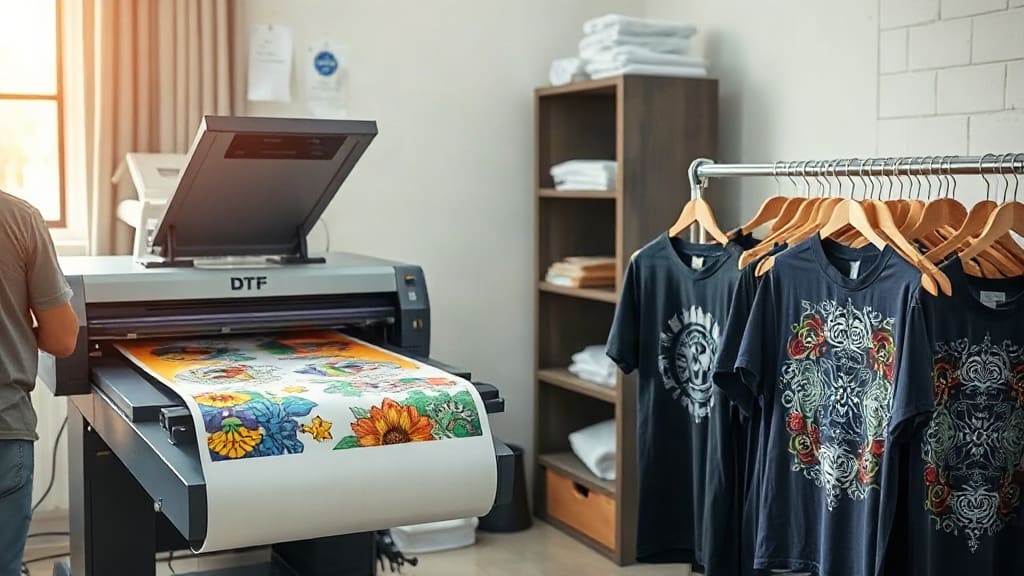
If you've been exploring custom apparel printing, you've likely encountered DTF printing. Short for Direct-to-Film, this technology is rapidly transforming how creators and businesses produce vibrant, durable designs on various fabrics. Unlike traditional methods that require specific materials, DTF printing offers unmatched versatility and simplicity. In this guide, we'll dive deep into the world of DTF printing, covering everything from the process to practical tips for stunning results.
What is DTF Printing?
DTF printing stands for Direct-to-Film. It's a digital printing method where your design is printed onto a special film, coated with adhesive powder, and then heat-pressed onto the fabric. This process eliminates the need for weeding and allows for intricate details. The result is a soft, stretchable print that adheres well to cotton, polyester, blends, and even treated nylon. Because it doesn't require pre-treatment, DTF printing is accessible to beginners and professionals alike.
How Does DTF Printing Work?
The DTF printing workflow involves several key steps. First, you create your design in graphics software and print it onto a PET film using specialized DTF inks. The printer lays down a white ink layer as a base, followed by CMYK colors. After printing, you apply a thermoplastic powder to the wet ink, shake off the excess, and cure it with heat. Finally, you transfer the film to your garment using a heat press. The adhesive melts, bonding the design to the fabric. Once cooled, you peel away the film, leaving a vibrant, durable print.
Step-by-Step DTF Process
- Design Preparation: Create your artwork with transparent background. Mirror the image if needed (some printers handle this automatically).
- Printing: Load the DTF film into your printer and print. Ensure your printer is equipped with DTF inks and a white ink channel.
- Powdering: While the ink is wet, sprinkle hot-melt adhesive powder over the print. Shake off excess.
- Curing: Place the film in a curing oven or under a heat press for about 2-3 minutes at 160°C (320°F) until the powder melts and becomes glossy.
- Heat Pressing: Preheat your garment, then press the film at 160°C for 15-20 seconds with medium pressure.
- Peeling: Wait for the film to cool completely, then peel it off. For a glossy finish, peel while hot; for matte, peel cold.
Why Choose DTF Printing for Custom Apparel?
DTF printing has gained popularity for several compelling reasons. It offers exceptional color vibrancy and fine detail, making it ideal for complex designs. Unlike DTG, it works on a wide range of fabrics, including dark colors, without needing a white underbase. The prints are stretchable and durable, withstanding repeated washing. Moreover, DTF printing is cost-effective for small to medium batches, as there's no minimum order quantity. You can print one-off designs or scale up as needed. The process is also faster than screen printing for multi-color jobs, and there's no setup cost.
DTF vs. Other Printing Methods
Compared to vinyl, DTF allows for full-color, photographic designs without the tedious weeding. Against DTG, DTF excels on polyester and dark garments, offering better durability. Screen printing remains superior for large runs of simple designs, but DTF wins for intricate, small-batch work. Each method has its place, but DTF is a versatile addition to any print shop.
Materials and Equipment for DTF Printing
To get started with DTF printing, you'll need specific supplies. A dedicated DTF printer or a converted DTG printer is essential. You'll also need DTF inks, PET film, and hot-melt powder. A heat press and a curing oven (or a heat press for curing) are necessary for the transfer process. For quality control, a infrared thermometer helps monitor temperatures. While initial investment can be moderate, the versatility and low per-unit cost make it worthwhile for many businesses.
Choosing the Right DTF Film and Powder
Not all films and powders are created equal. Look for films that are coated for DTF inks, typically 75-100 microns thick. Double-sided films can be used for special effects. The powder should be a fine, hot-melt adhesive, usually TPU-based. Particle size affects the feel; finer powders yield softer prints. Always test with your specific inks and printer to ensure compatibility. Storage matters too: keep films and powder in a cool, dry place to prevent clumping or degradation.
Tips for Perfect DTF Transfers
Mastering DTF printing requires attention to detail. Here are some practical tips to elevate your results:
- Control humidity: Excess moisture can cause powder to clump. Use a dehumidifier in your workspace.
- Print quality: Use high-resolution images (300 DPI) and ensure your printer's nozzles are clean. Run a nozzle check before critical jobs.
- Powder application: Apply powder evenly; too much leads to a rough feel, too little causes poor adhesion.
- Curing: Don't over-cure; it can make the transfer brittle. Follow ink manufacturer guidelines.
- Pressure and temperature: Use consistent pressure and verify temperature with a heat gun or infrared thermometer.
- Peeling: Experiment with hot vs. cold peel to achieve desired texture.
- Washing: Wait 24 hours before washing. Turn garments inside out and use cold water. Avoid bleach and fabric softener.
Common Challenges and Solutions
Even experienced printers face issues. Here's how to troubleshoot common DTF problems:
- Faded colors: Ensure sufficient white ink and proper curing. Check ink levels and expiration dates.
- Cracking: Usually due to under-curing or too much pressure during transfer. Adjust curing time and pressure.
- Poor adhesion: May result from insufficient powder or incorrect pressing parameters. Verify powder coverage and press settings.
- Clogged printhead: Regular maintenance and daily printing prevent clogs. Use cleaning cartridges as needed.
Applications of DTF Printing
DTF printing isn't limited to t-shirts. It's used for hoodies, jeans, caps, tote bags, and even shoes. The ability to print on diverse fabrics opens up creative possibilities. Small businesses can offer personalized products, while large brands can produce limited editions. The technology is also popular for promotional items and team uniforms. With DTF, you can print on both natural and synthetic fibers, making it a universal solution.
Frequently Asked Questions
What fabrics can I use with DTF printing?
DTF printing works on a wide range of fabrics, including cotton, polyester, blends, silk, and even leather. It's particularly effective on dark and synthetic materials that are challenging for other methods.
How durable is a DTF print?
When properly applied and cared for, DTF prints can last as long as the garment. They withstand multiple washes without fading, cracking, or peeling. Following washing instructions is key to longevity.
Do I need a special printer for DTF?
Yes, you need a printer that supports DTF inks, typically a modified DTG or dedicated DTF printer. Some convert Epson printers with DTF ink systems, but dedicated machines offer better reliability.
Can I use DTF on 100% polyester?
Absolutely. DTF printing adheres well to polyester, unlike some other methods. The low-temperature transfer also prevents scorching, making it ideal for synthetic fabrics.
Is DTF printing cost-effective for small businesses?
Yes, DTF printing has a low entry cost and no minimum order quantity. You can print single items or bulk orders efficiently, making it perfect for startups and small businesses.