
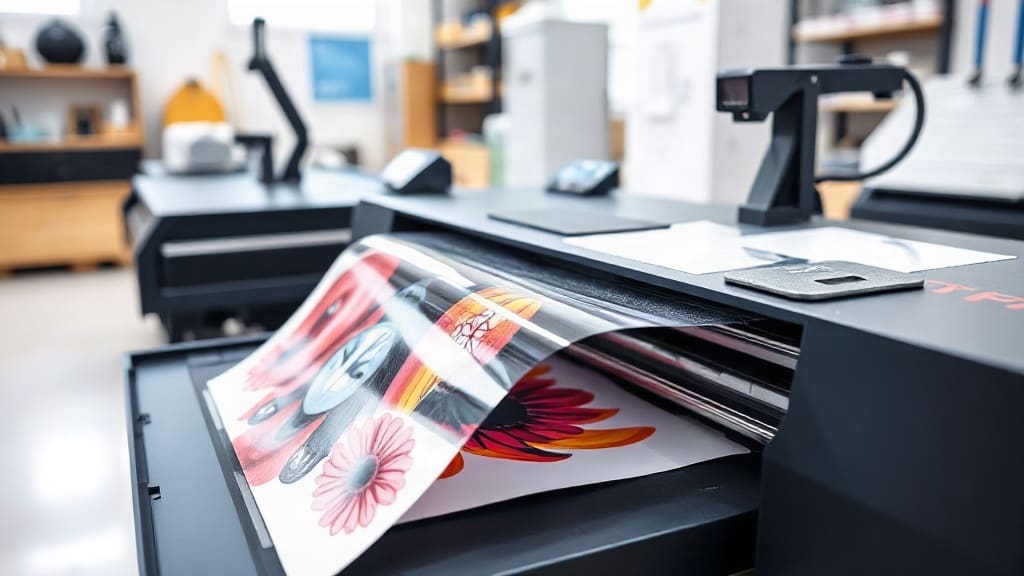
If you've been exploring custom apparel printing, you've likely encountered DTF printing. Short for Direct-to-Film, this method has rapidly gained popularity among hobbyists and professionals alike for its versatility and vibrant results. Unlike traditional techniques, DTF allows you to print intricate designs on a wide range of fabrics, from cotton to polyester blends, without the need for pre-treatment or special coatings. In this guide, we'll walk you through everything you need to know to get started with DTF printing, from the basics to advanced tips.
What is DTF Printing?
DTF printing is a digital printing process where your design is printed onto a special film, coated with a powder adhesive, and then heat-pressed onto the fabric. The magic lies in the transfer film: it holds the ink and adhesive, allowing the design to bond permanently with the fabric when heat and pressure are applied. This method eliminates the need for weeding or layering, making it ideal for complex, multi-color designs. Whether you're printing a single shirt or a batch of 50, DTF delivers consistent, high-quality results.
Why Choose DTF Printing?
There are several reasons why DTF printing stands out:
- Versatility: Works on cotton, polyester, blends, and even treated leather. No need for different supplies for different fabrics.
- Durability: The prints withstand repeated washing without cracking or fading, thanks to the strong adhesive bond.
- Detail: Achieve fine lines, gradients, and photographic images with ease.
- Cost-effective: Low setup costs compared to screen printing, especially for short runs.
- Speed: From design to finished product in minutes, not days.
How Does DTF Printing Work?
The process involves a few key steps:
- Design Preparation: Create your artwork in a graphics program. Remember to mirror the image before printing.
- Printing: Use a DTF printer with specialized inks to print onto the film. The printer lays down a layer of white ink as a base, followed by the colored inks.
- Powdering: While the ink is still wet, apply hot-melt adhesive powder evenly over the print. Shake off excess.
- Curing: Melt the powder using a heat press or oven. This activates the adhesive.
- Transfer: Place the film on the fabric and apply heat and pressure with a heat press. The adhesive bonds with the fabric, and the film is peeled off (hot or cold peel, depending on the film).
Materials You'll Need
To start DTF printing, gather these essentials:
- A DTF printer (or access to one)
- DTF transfer film (usually PET film)
- DTF inks (CMYK plus white)
- Hot-melt adhesive powder
- Heat press
- Design software
Investing in quality supplies ensures better results and longevity of your prints.
DTF vs. Other Printing Methods
How does DTF compare to DTG, screen printing, and vinyl?
- DTG (Direct-to-Garment): Best for 100% cotton, but requires pre-treatment and can be less durable on synthetics. DTF works on more fabrics and often yields more vibrant colors.
- Screen Printing: Cost-effective for large orders but time-consuming for multi-color designs. DTF shines for short runs and complex art.
- Vinyl (HTV): Great for simple, single-color designs but limited for detailed images. DTF handles full-color graphics effortlessly.
Step-by-Step Guide to DTF Printing
Ready to try it? Follow this workflow:
- Create Your Design: Use software like Photoshop or Illustrator. Ensure it's high resolution (300 DPI) and mirrored.
- Print on Film: Load the film into your DTF printer. Print with white ink base first, then colors.
- Apply Powder: While ink is wet, sprinkle adhesive powder over the print. Shake off excess and return it to the container.
- Cure the Powder: Use a heat press at around 160°C (320°F) for 2-3 minutes, or follow powder instructions.
- Press onto Fabric: Preheat your heat press to 160-170°C (320-340°F). Place the film on the fabric, apply medium pressure for 15-20 seconds.
- Peel and Enjoy: Wait for it to cool (cold peel) or peel while hot (hot peel), depending on the film type. Your custom apparel is ready!
Common Mistakes to Avoid
Even seasoned printers make these errors:
- Insufficient Powder: Leads to poor adhesion. Ensure even coverage.
- Wrong Temperature: Too low, and the adhesive won't activate; too high, and the film may warp.
- Skipping Mirroring: Your text will be backwards! Always mirror before printing.
- Ignoring Fabric Type: Some fabrics require different settings. Test on a swatch first.
Tips for Perfect DTF Prints
Elevate your results with these expert tips:
- Use Quality Film: Cheaper films can cause jams or poor transfers.
- Maintain Your Printer: Regular cleaning prevents clogged nozzles.
- Control Humidity: High humidity affects powder adhesion. Work in a dry environment.
- Pre-Press Fabric: Remove moisture and wrinkles for a smooth application.
- Test Peel Methods: Some films are hot peel, others cold. Know yours.
Applications of DTF Printing
Beyond t-shirts, DTF printing is used for:
- Hoodies and sweatshirts
- Tote bags
- Denim jackets
- Sportswear (polyester blends)
- Home textiles like pillowcases
The possibilities are endless, limited only by your creativity.
Frequently Asked Questions
What fabrics can I use with DTF printing?
DTF works on a wide range of fabrics, including cotton, polyester, blends, and even some treated leathers. It's one of the most versatile printing methods available.
How durable is DTF printing?
When done correctly, DTF prints can last as long as the garment itself. They resist cracking, peeling, and fading through many wash cycles. Always follow care instructions: wash inside out in cold water and avoid harsh detergents.
Do I need a special printer for DTF?
Yes, you need a DTF printer that uses DTF inks and can handle film. However, you can also outsource printing to a service if you're not ready to invest in equipment.
Can I use DTF on dark garments?
Absolutely! DTF printing uses a white ink base, so it works beautifully on both light and dark fabrics. The white layer ensures colors pop on dark backgrounds.
How do I wash DTF-printed apparel?
Turn the garment inside out, machine wash cold, and tumble dry low. Avoid ironing directly on the print. Following these steps will keep your designs looking new for years.
With its versatility, durability, and ease of use, DTF printing is a game-changer for custom apparel. Whether you're a hobbyist or a business owner, mastering this technique opens up a world of possibilities. Start experimenting today and see the difference for yourself.